Q&A - Capturing the Liminal Space - Zula Rabikowska
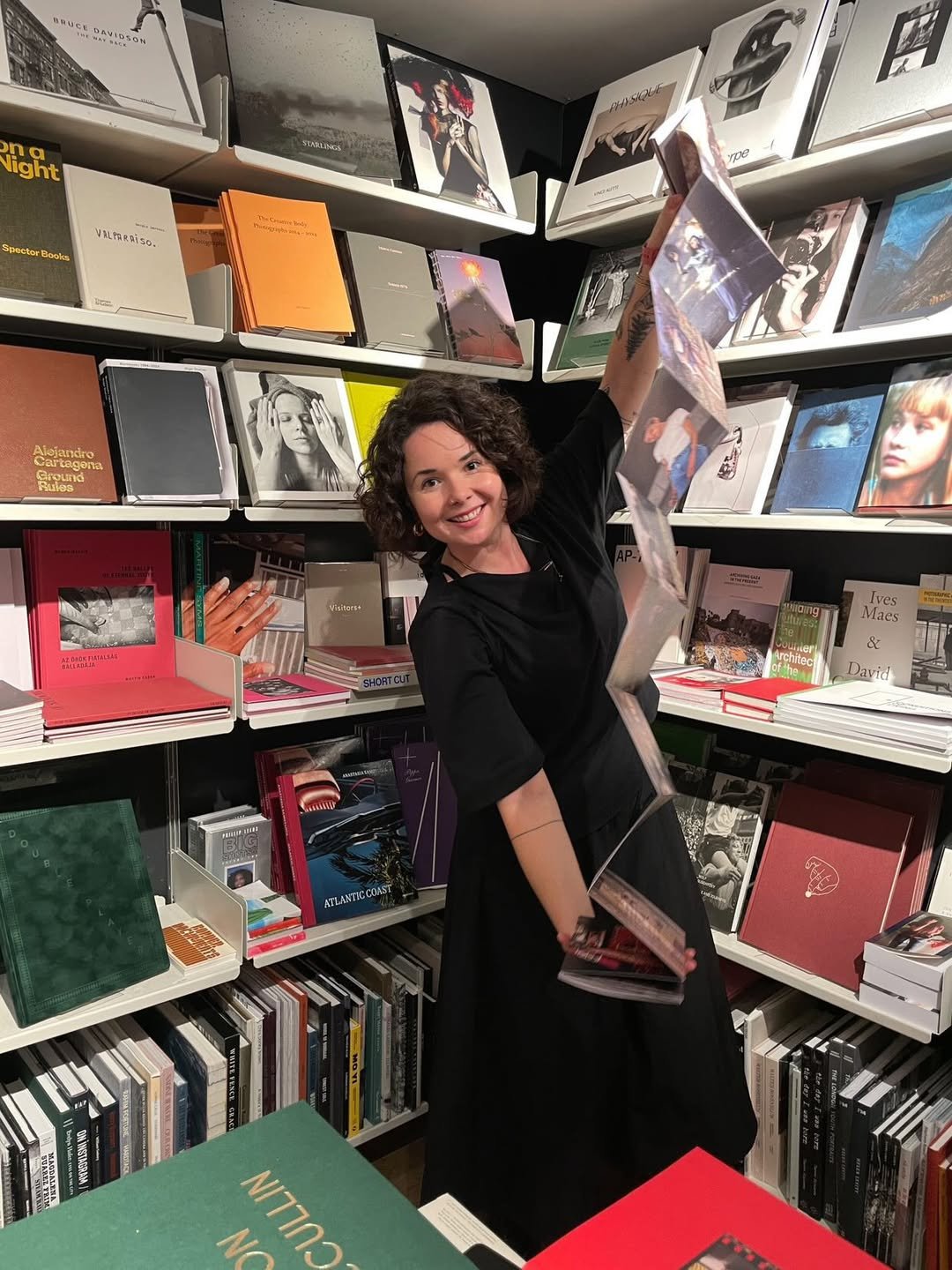
Zula Rabikowska holding “Nothing but a Curtain” Book (2025), captured by @nicholasmichaluk
In this Q&A we’re happy to speak with Zula Rabikowska and reflect on her creative journey, projects and the principles guiding her practice. Working at the intersection of documentary photography and community-based portraiture, Zula explores themes of migration, belonging, gender and identity. Based in London and shaped by her Polish heritage, her practice occupies a liminal space between cultures, histories and lived experience. Her approach is intentional, ethical and collaborative as she aims to amplify stories that resist simplification.
Beyond her own practice, Zula is a co-founder of Rethinking Eastern Europe, a platform supporting creatives from the region, and teaches photography at Kingston University, committed to fostering the next generation of visual storytellers.
How did your journey with photography begin?
What draws me to photography and image making is working with people. Photography helps me understand the world around me. I moved to the UK from Poland as a child without speaking any English and realised the intimate power of communication through language and ended up studying French and English for my BA and later learning Spanish. I later lived around the world teaching English in India, China, South Africa and the French Caribbean. Photography was something I was doing on the side, I didn’t know any photographers as teenager or young adult, and it was through languages and working through different communities that I started connecting, capturing, documenting. This led me to an MA at London College of Communication, which I see as the “official” start of my professional relationship with photography.
How would you describe your photographic style in three words?
Bold, colourful, tumultuous.
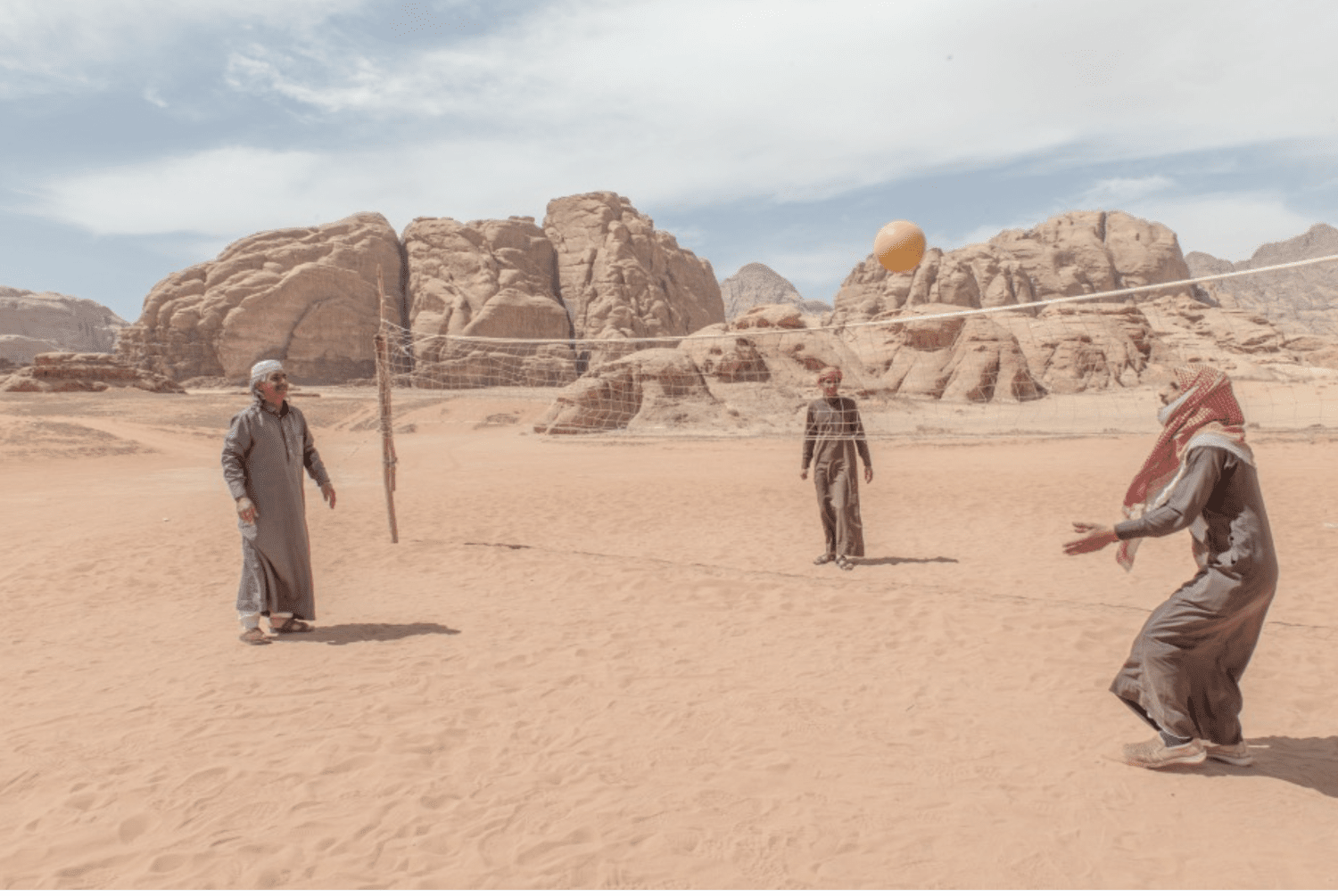
Modern Desert Story, Jordan (2023)
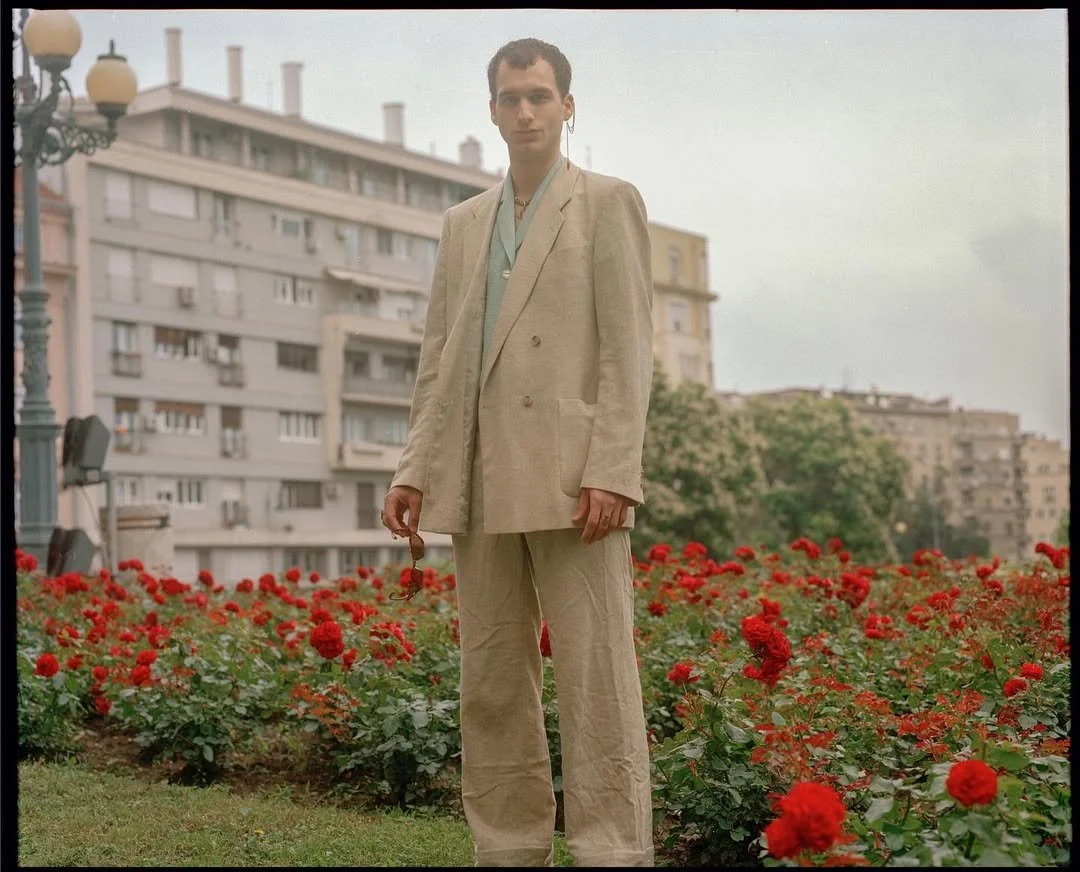
Scared To Love series (2023)
What conversations do you hope your images open up?
I hope that images encourage the viewer to step outside of their comfort zone, question their own understanding and providence of their knowledge. I also hope that my projects contribute to an understanding, empathy and connection.
In your eyes, what makes a truly great image today?
One that asks questions, probes boundaries and is self-aware.
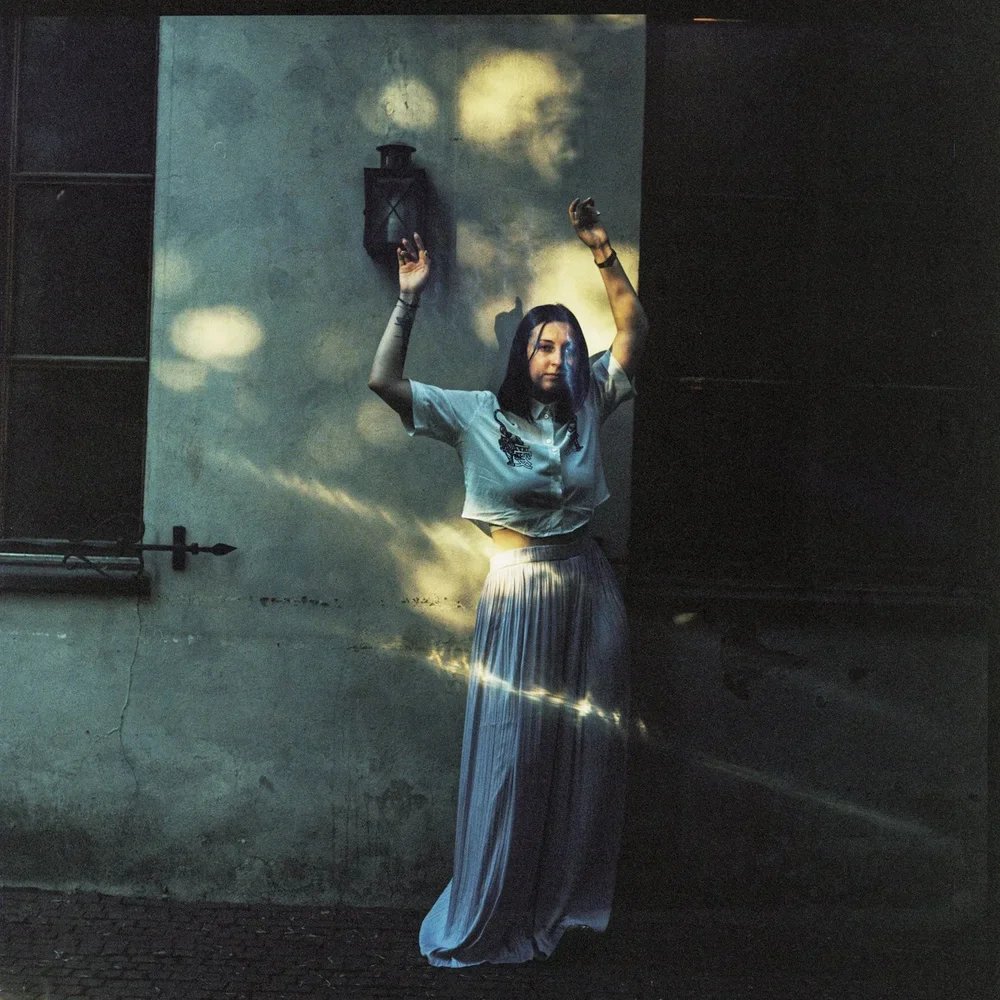
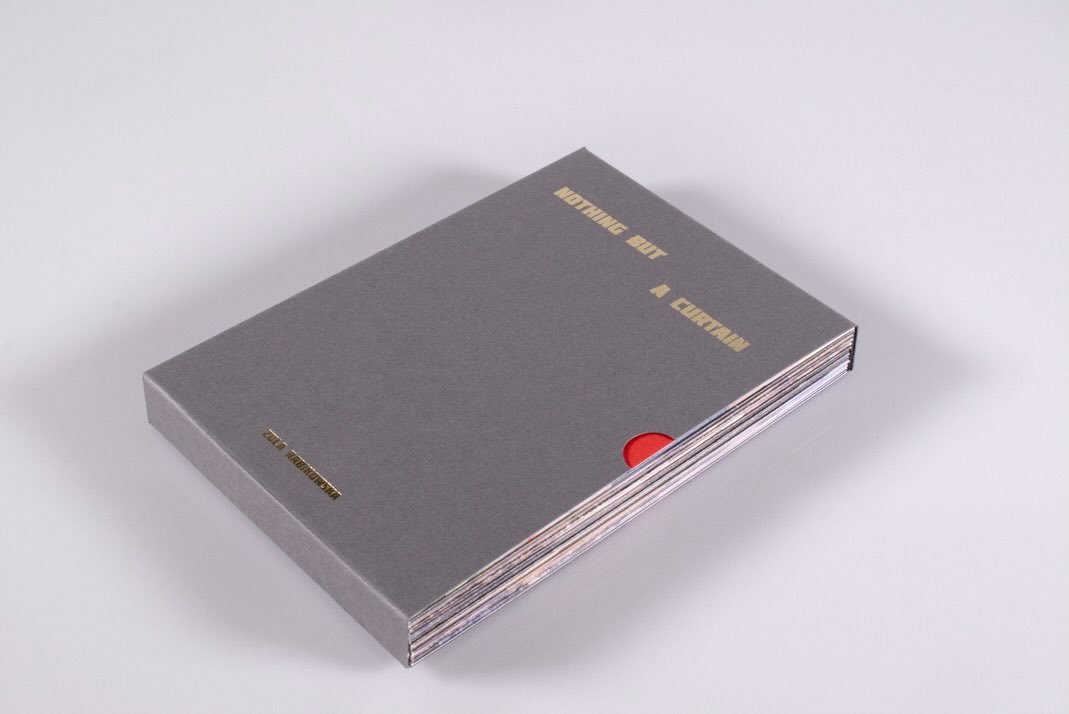
Nothing but a Curtain limited edition publication (2025)
How do you approach image-making in a time when photographs are consumed and often forgotten quickly? How do you ensure your work remains considered and meaningful?
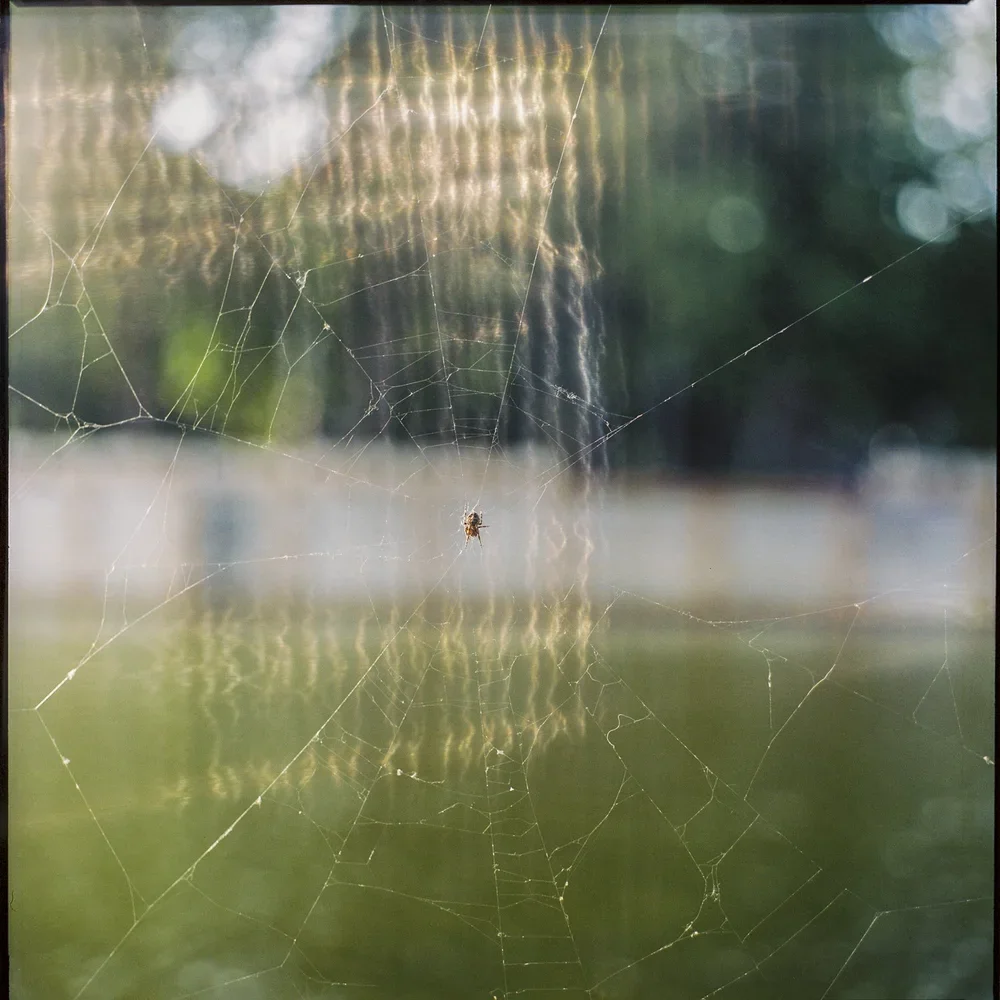
I am deeply drawn to exploring the relationship between the topic of my work and the means of creation. For example in Nothing but a Curtain (2021) I focused on gender identity in former communist Central and Eastern Europe, and I shot the project on a 120mm camera Kiev 80, which was made in a military factory in Kyiv. This camera has an imprint stating “Made in the USSR” and as a deeply temperamental metal shutter, which metaphorically and physically imprinted an “Iron curtain” in the images from the project. By letting the topic dictate how the story is told and capture, I hope to slow down the making process and create more meaningful work.
With social media and digital platforms shaping how images circulate, do you feel the role of the photographer has changed?
Social media and digital platforms have changed and shaped how images are seen and shared, but also how they are created. On one hand, it’s amazing because photographers can reach a much wider audience instantly. On the other, it puts pressure on images to be ‘consumable’ or to perform in ways that don’t always reflect the depth of the work. I think the role of the photographer now isn’t just to make images, but also to reflect how they live in this fast-moving digital landscape and how they communicate context and meaning within it.
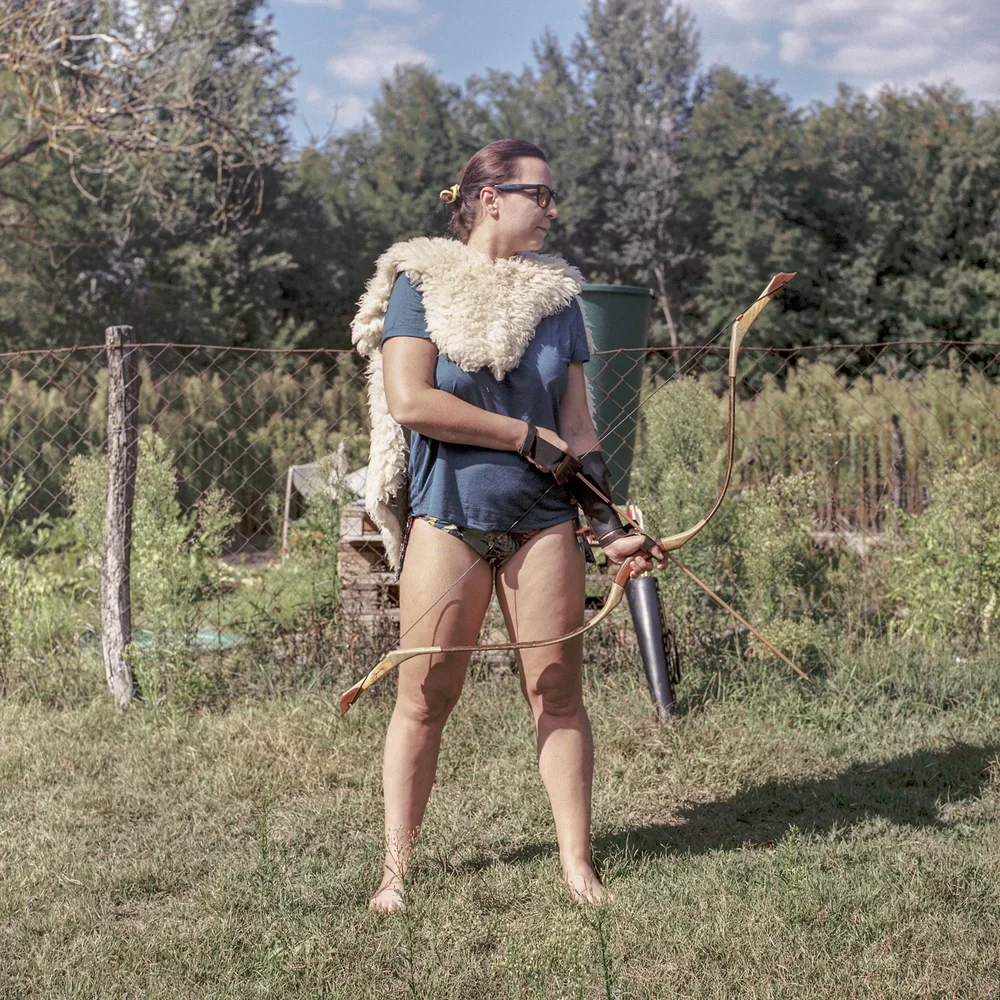
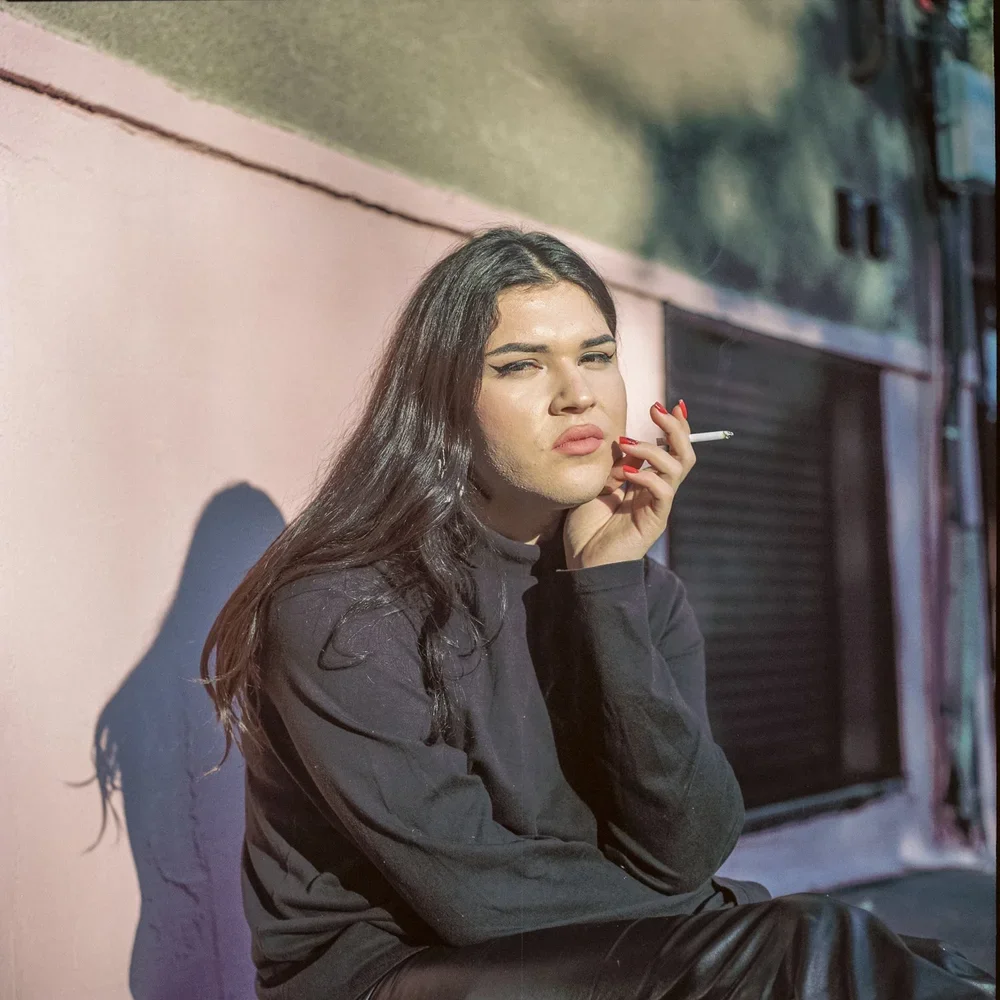
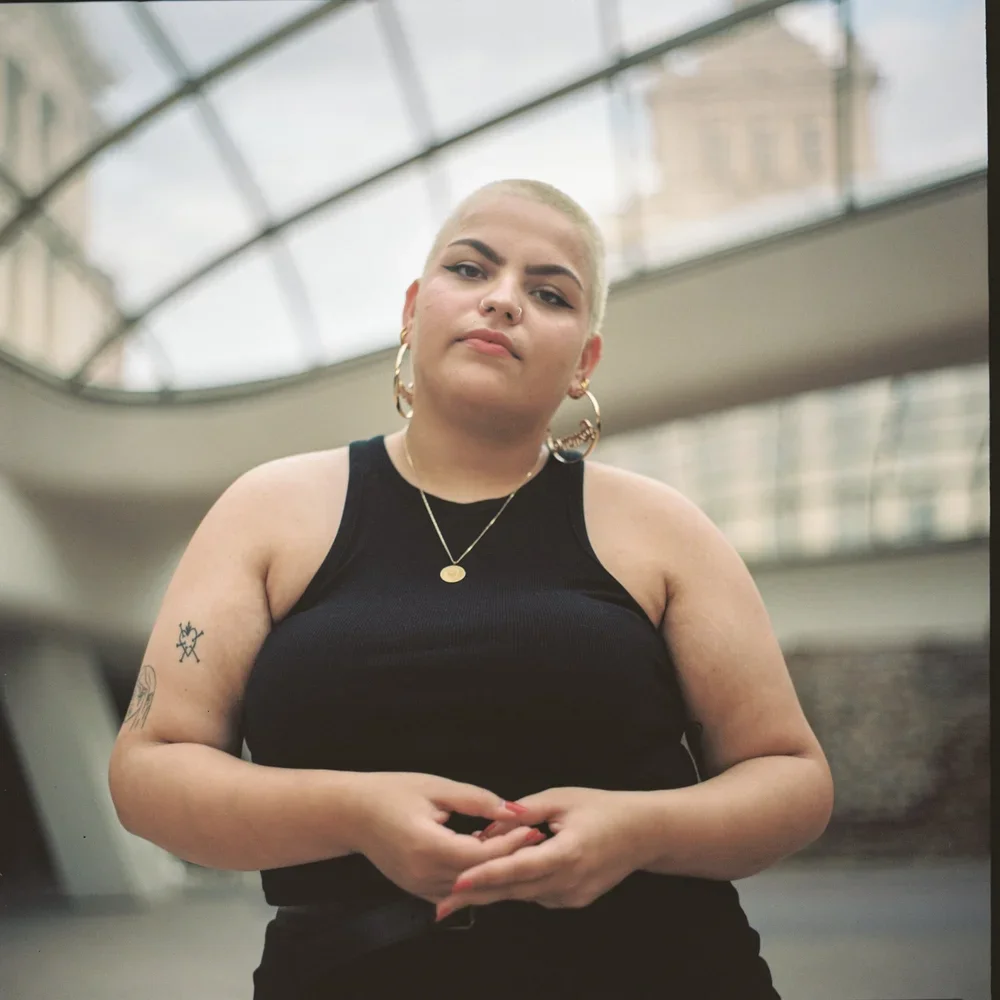
When working with communities and stories that are frequently misunderstood or underrepresented, how do you think about responsibility and care in your practice?
Responsibility and care are central to my practice. When working with communities whose stories are often misunderstood or underrepresented, I approach the work with listening first - understanding their experiences, concerns, and how they want to be seen. It’s about collaboration and trust, making sure the people I photograph feel respected and represented honestly, rather than through a lens of stereotypes or assumptions. My goal is to create work that reflects their reality with nuance and dignity, not just my perspective as a photographer.
What motivated you to create the Rethinking Eastern Europe Collective?
Rethinking Eastern Europe was born out of a desire to challenge the narrow, often stereotypical narratives about the region. The collective grew very organically. I was already collaborating with curators, artists, and writers from the region, and it felt natural to formalize those connections. I officially launched REE in May 2024 at Photo Book Cafe, and since then we’ve been featured in BJP and Contemporary Lynx, and exhibited at the Arles Photography Festival and Brighton Photography Fringe. It’s been exciting to see this collaborative platform gain visibility and support nuanced, contemporary perspectives from Eastern Europe. As artists with roots or connections to Eastern Europe, we wanted to create a platform to showcase diverse, contemporary perspectives that are usually overlooked. It’s about reclaiming the conversation, exploring identity, migration, and cultural complexity, and supporting each other’s work while reaching wider audiences with nuanced stories
Is there a project that feels especially significant in your journey so far?
Citizens of Nowhere (2019) has been particularly significant in my journey. This was the first time that I worked in a very personal way and collaborated with my mum and my sister to explore our immigration journey from Poland to the UK. The project explores citizenship, identity, and belonging on personal, cultural, and political levels, and it’s rooted in my family’s experience as Polish immigrants in the UK. It was born out of the aftermath of the 2016 Brexit referendum, which made me acutely aware of my own ‘otherness’ and sense of un-belonging. The work combines analogue portraiture, experimental film techniques, and stop-motion animation to reflect the fluid and sometimes eroded nature of immigrant identity. I also created my own version of the British Citizenship test, reframing it to reflect the contributions and realities of EU immigrants - challenging the narratives often promoted in mainstream debates. For me, the project was both a deeply personal exploration and a broader commentary on migration, belonging, and representation
How has living in London shaped your work and perspective?
Living in London has had a huge influence on my work. The city’s diversity, energy, and constant flow of people shape how I see identity, community, and belonging. London has also made it possible to start my own projects - putting on DIY exhibitions, setting up collectives, and meeting both commercial clients and key decision-makers in the arts and photography industry. At the same time, in 2020 I moved back to Poland for a year to reconnect with my roots and reflect on my sense of home, which gave me a fresh perspective on migration and cultural identity that continues to inform my work.
As an educator, what do you hope students take away from your approach to photography and storytelling?
As a lecturer at Kingston University, I hope students take away a sense of curiosity and critical thinking about the role of the image-maker. I want them to question not just how images are made, but how they circulate, what they communicate, and whose stories are being told - or omitted. Improving visual literacy is central to this, which is something often overlooked in education. In my workshops, like How Do You Know What You Know, I aim to inspire students to question the provenance of knowledge, think critically about the media they consume, and develop their own voice in photography and storytelling.
Are there any Polish influences that shape your work? Artists, photographers, or cultural moments that particularly inspire you?
Many of my projects stem from a place of frustration and a desire to challenge dominant narratives, whether around identity, migration, or belonging. This tension between personal experience, cultural heritage, and broader social contexts shapes the way I approach storytelling and image-making. I’m often inspired by Slavic myths and folk traditions, as well as the shifting socio-political landscape in Poland. I often find inspiration from non-photographic material, such as literature, film, sculpture or painting.
Is there something uniquely Polish, any trait or approach that you feel surfaces in your creative approach?
I think my duality of being between Poland and the UK, living between two cultures, two languages and having my family in both countries has meant that I permanently reside in a liminal space. In Poland I am not Polish enough, and in the UK, I am not British enough. I have embraced that as part of my identity which allows for a multiplicity of perspectives to arise.
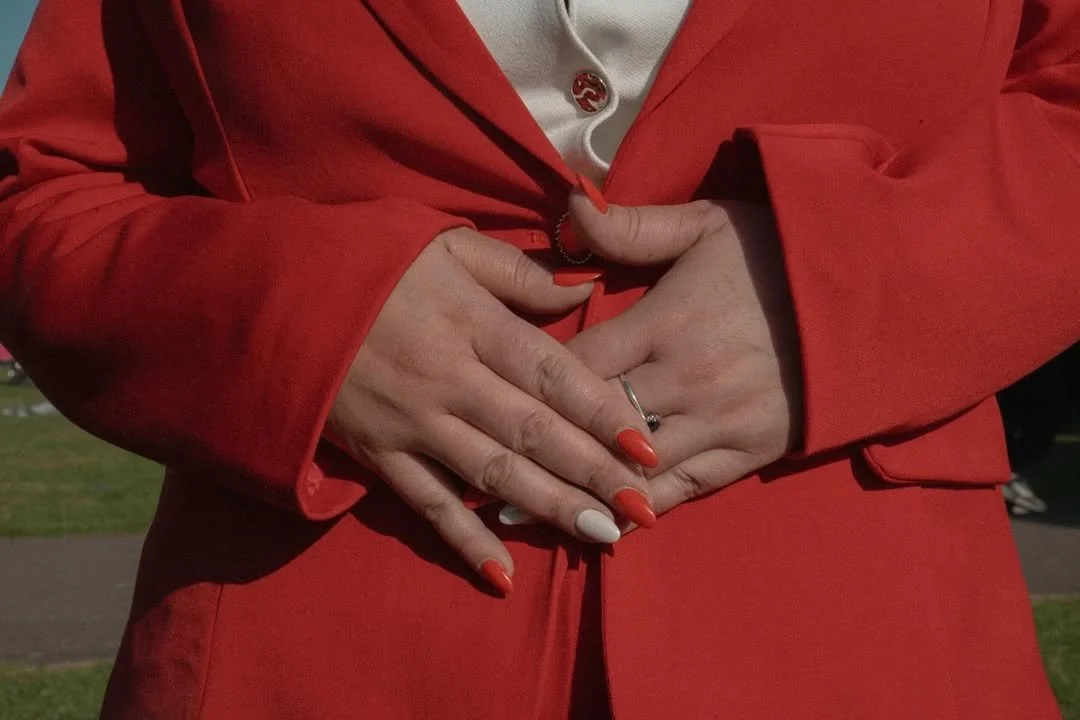
Is there a story you feel still needs to be told, maybe one you feel personally compelled to approach?
I often feel that my personal life is the topic of my work, and I believe that there are many stories that still need to be told. I particularly compelled to explore the experiences of migration, identity, and belonging in contemporary Europe - stories that often get reduced to statistics or political rhetoric. I’m interested in the nuances of everyday life for people navigating these spaces: their frustrations, resilience, and the ways they carve out a sense of home. For me, it’s about creating work that gives depth and humanity to experiences that are frequently overlooked.
What advice would you give to emerging photographers trying to find their voice in an oversaturated visual landscape?
Be nice, keep making work, ask for honest feedback, don’t be afraid to restart or reshoot, and show up for other photographers.
Follow Zula’s Instagram and visit her website to learn more.
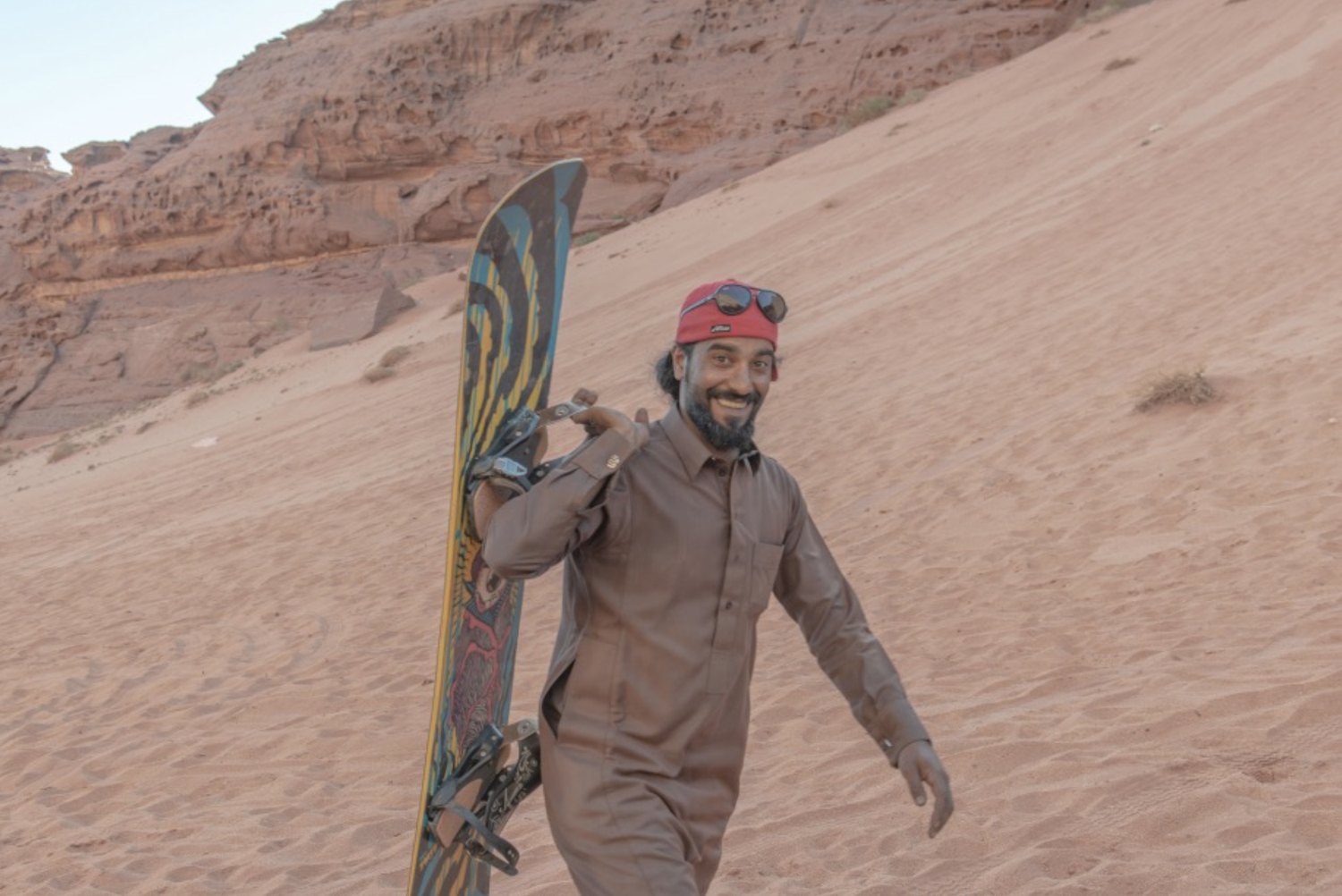
Modern Desert Story, Jordan (2023)
Stories you will also like:
beauty and youth through her own lens - Zuza Krajewska’s photography