The Weight of an Image : Magda Kuca
"I resonate with an image that feels like a document and a fable at the same time. A proof that something existed in time and space - but also a door left ajar onto something you can't quite name."
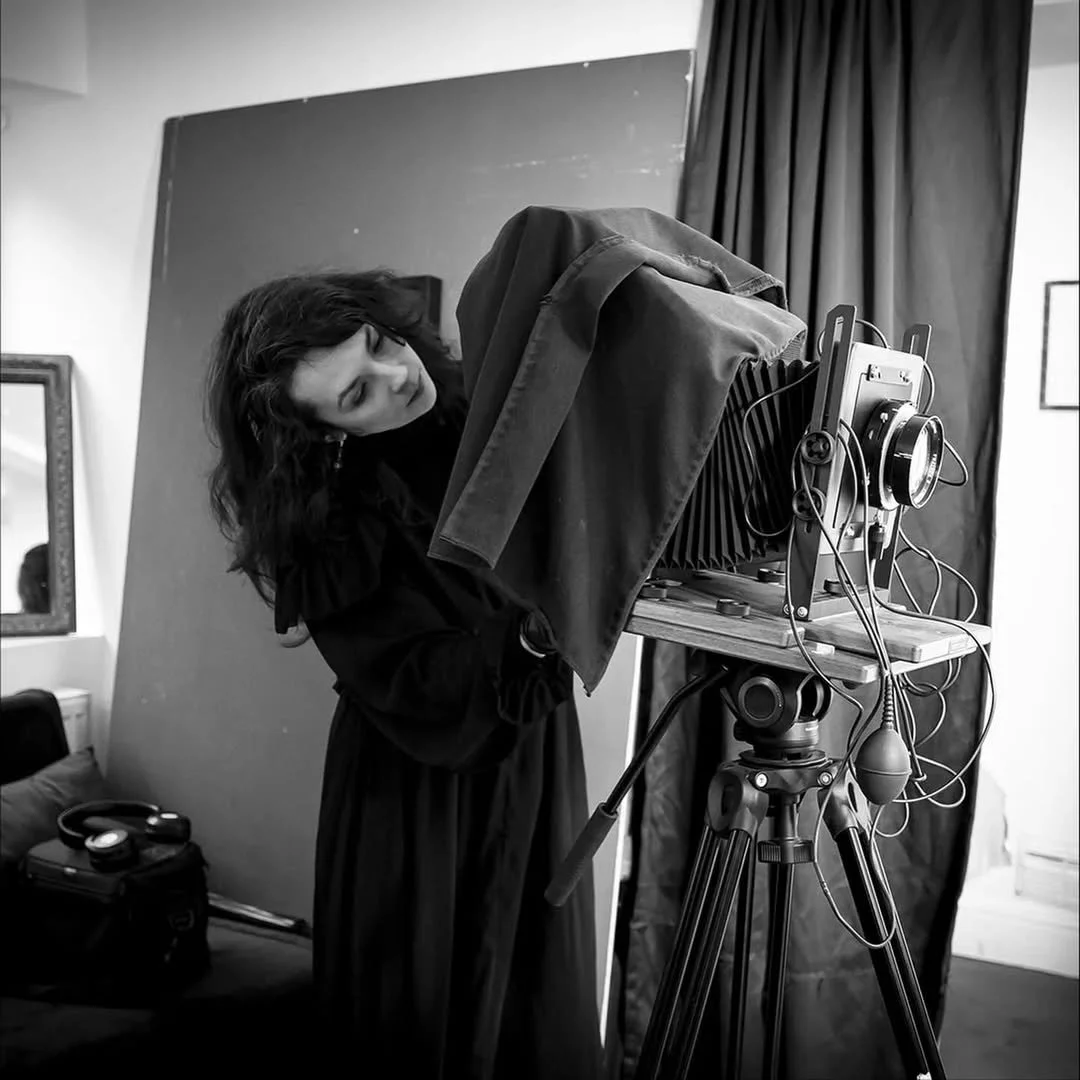
Magda Kuca at work
There is something in Magda Kuca's photographs that refuses to settle. They are slow, ritual, and otherworldly. Utilising historical photographic techniques such as wet plate collodion, gum bichromate and platinum print, her images carry the weight of things that have been handled, waited for, coaxed into being. And yet they don't belong to the past, but rather occupy a place in time that is not quite then and not quite now.
“I don’t use historical processes to cosplay the past,” she explains, “For me, these techniques are alive. They are tools - like brushes in a creative toolkit - and they come with their own character.” She describes wet-plate collodion as a kind of collaborator “It has a presence. It’s like working with a partner. You might begin with a clear idea, but you meet somewhere in the middle, because the process pushes back.”
Kuca’s work has drawn international attention and led to collaborations and exhibitions at institutions including the British Museum, University of the Arts London, Royal Botanic Gardens, Kew, Aperture Gallery, and Photo Vogue, to name just a few. Alongside her practice, she mentors widely, sharing knowledge of rare photographic techniques. As she puts it, the most meaningful way to preserve them is by “using them, teaching them, and allowing them to evolve.”
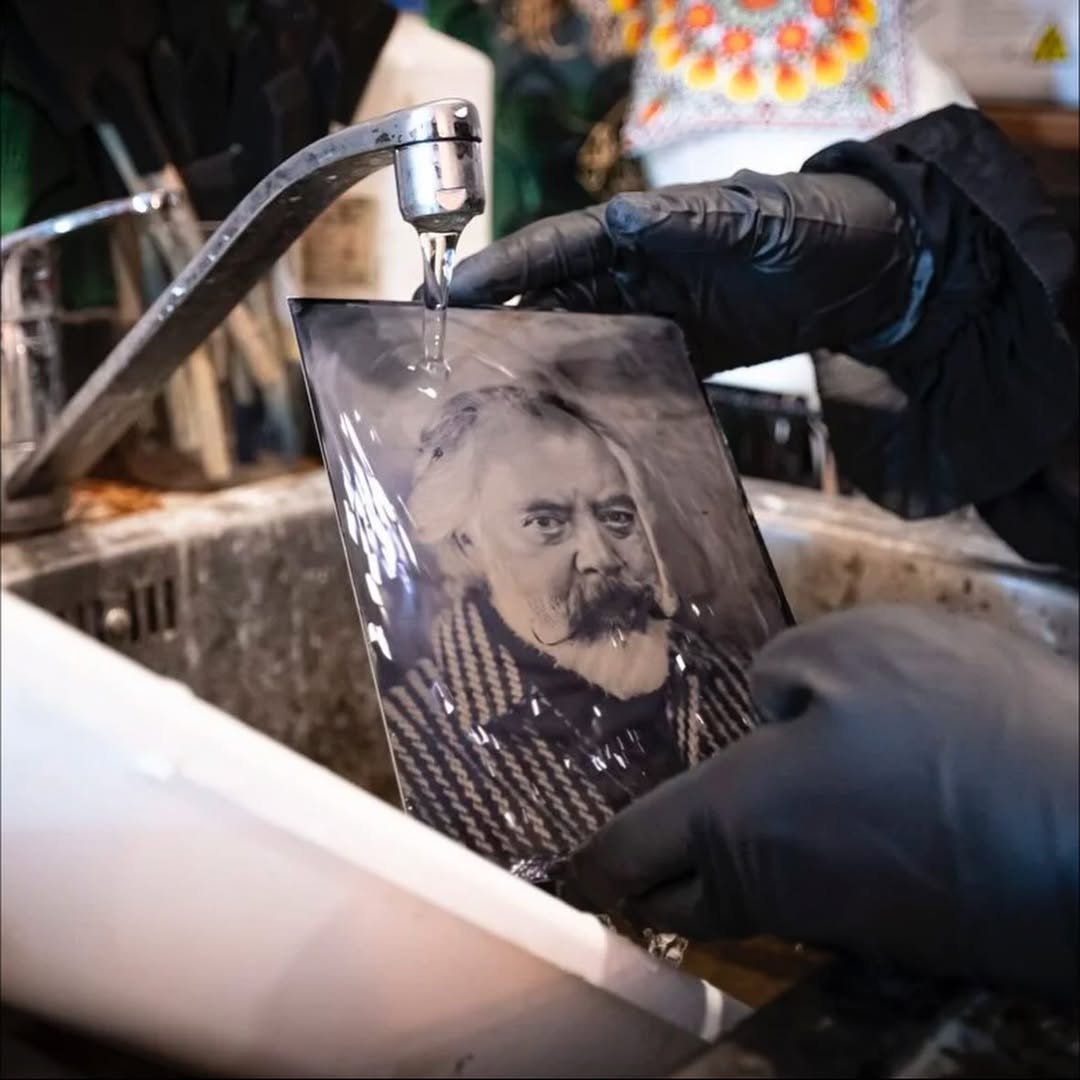
“There’s poetry, but also labour.”
Magda Kuca knew at thirteen that photography would be her life. She was the kind of teenager who read Susan Sontag under the desk during biology class - not exactly a model student, she laughs, but already then looking beyond the traditional curriculum, already going her own way.
"Digital photography felt too easy to satisfy," she says. "I needed something tangible, something that resisted me a little." Film came first, developed in a bathroom sink. Wet plate followed later, arriving, as she puts it, “through chaos”: silver nitrate stains, failed plates, reluctant family sitters. “My family members were not exactly excited to pose again after another blob of chemistry on glass.” Then she photographed her grandmother, and something finally emerged. That was the moment, she says, when the process stopped turning on her.
Wet plate demands full commitment - chaotic but lab-like, unforgiving but transformative. There is one plate at a time, no bursts, no safety net. "You make a decision and you commit." The darkroom is calm and intense simultaneously, time slowing to match the pace of the work. “You are wearing a lab coat - you’re the artist and the scientist. There’s poetry, but also labour.” says Kuca. Fingerprints, stains, the emulsion doing something unplanned - Kuca sees these not as flaws to be corrected but as evidence of a human hand. "Digital can be beautiful," she says, "but for me it doesn't always carry the same feeling of: this was made by a human hand, with time, with risk."
In a time when most images never leave the screen, the physicality of collodion means the photograph becomes an object again, not just a file. She recalls a line from the editor's note of a Polish Camera Obscura magazine - that a digital file resembles a neuron in a brain, an intangible thought. "I'd like to think that by materialising it, an idea takes on full shape," she reflects.
And in a culture of disposable images, of social media feeds churning out high-volume, low-effort content, AI compounds our uncertainty about what is even real - a wet plate truly stands apart. “There is physicality to it, it can feel like a relic or keepsake - something you could pass to someone.(...) Having a photograph that is physically made, chemically, slowly, feels almost like an antidote," she says. "It feels human again."
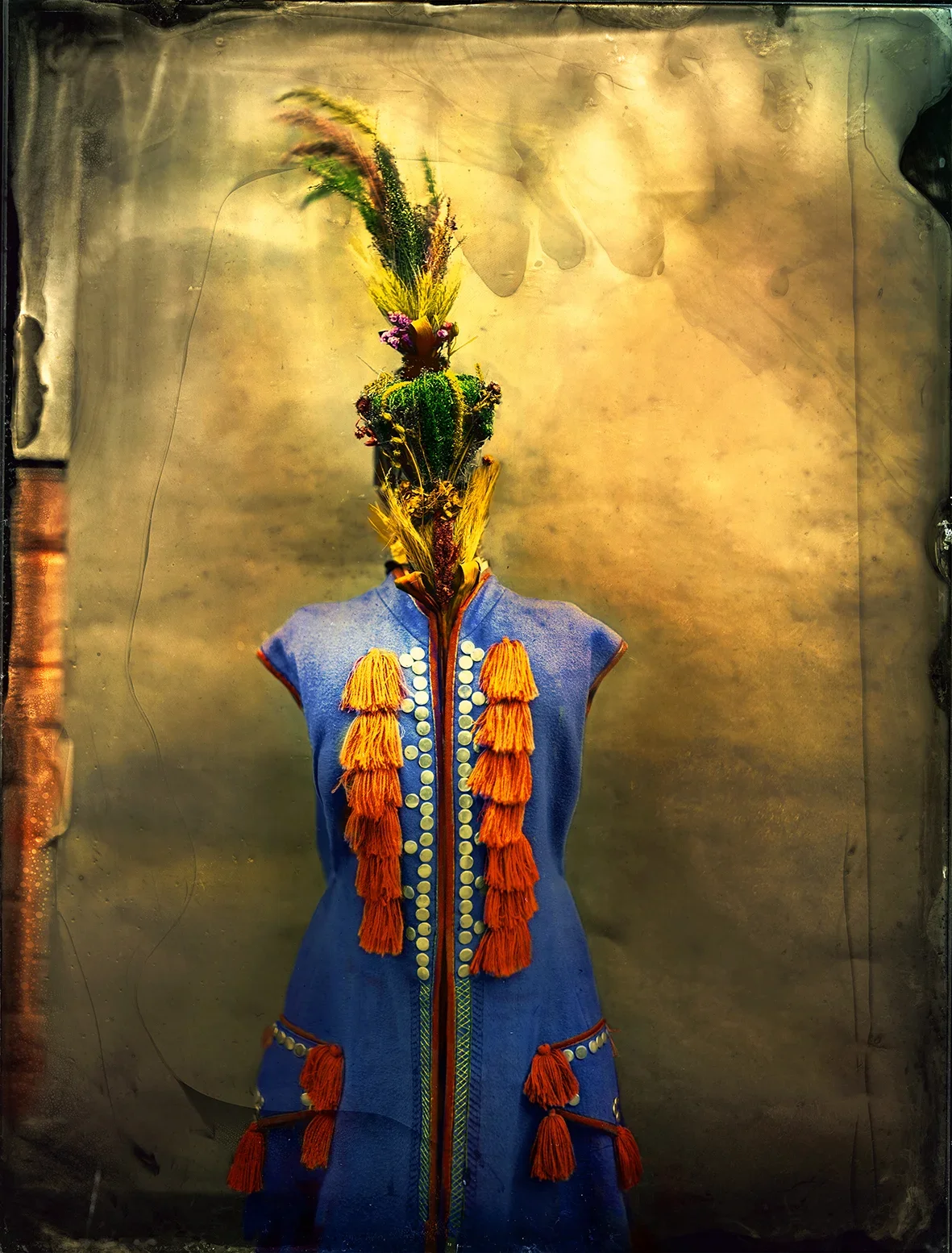
Slavic Bestiary
"A great image has presence (...) It holds you for a second longer than you planned. It doesn't explain everything - it draws you in, then leaves space for your own story."
Folklore, ancestry and memory run all through Kuca's portfolio. When asked what distinctly Polish influence surfaces in her practice - whether it’s a vibe, aesthetic, references - she reflects:. "I think there's a certain Slavic tenderness and darkness at the same time. This closeness to nature and ritual. The importance of family, even if not understood in a traditional way. And maybe the way we carry family stories through women - grandmothers, mothers are the keepers of memory."
One of the particularly important projects in her portfolio is ‘Grandmothers’ - a series featuring her grandmother that seems to encapsulate the essence of her creative language. Folklore, heritage and family together make a world that is eerie and dream-like, hovering at the border of the real and the imagined. Her grandmother appears with a near-mythological presence, both personal and archetypal. She is a protector, a keeper of rituals, surrounded by herbs, textiles and gestures that each carry symbolic meaning. Every shot seems to witness something in the act of happening. "I'm not illustrating one specific ritual like a textbook," Kuca says. "I'm trying to evoke that atmosphere, so even if someone doesn't know Slavic customs, they can still feel something familiar." Folklore, she explains, is the language people have always used to make sense of fear, love, illness, the unknown.
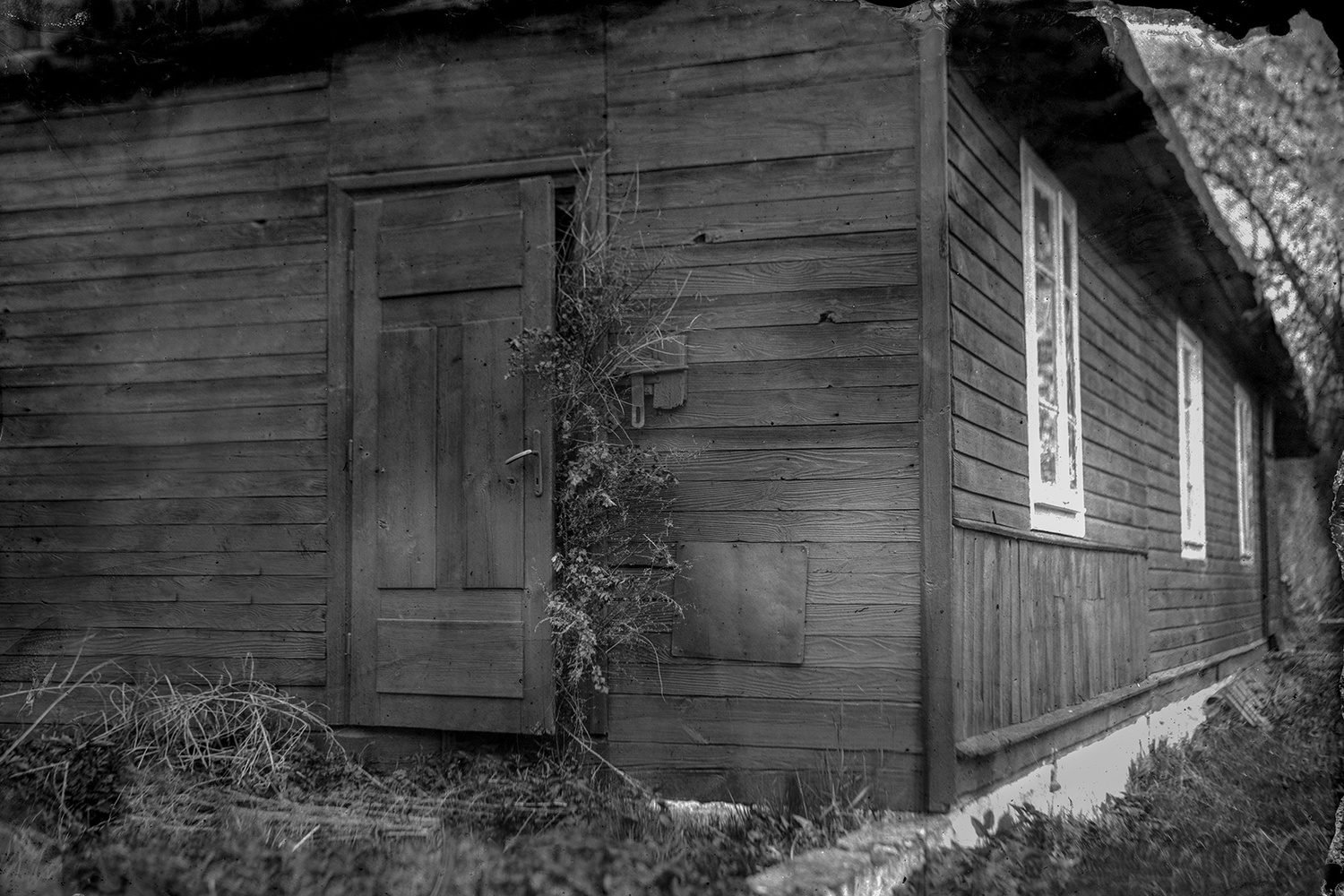
The Grandmothers series
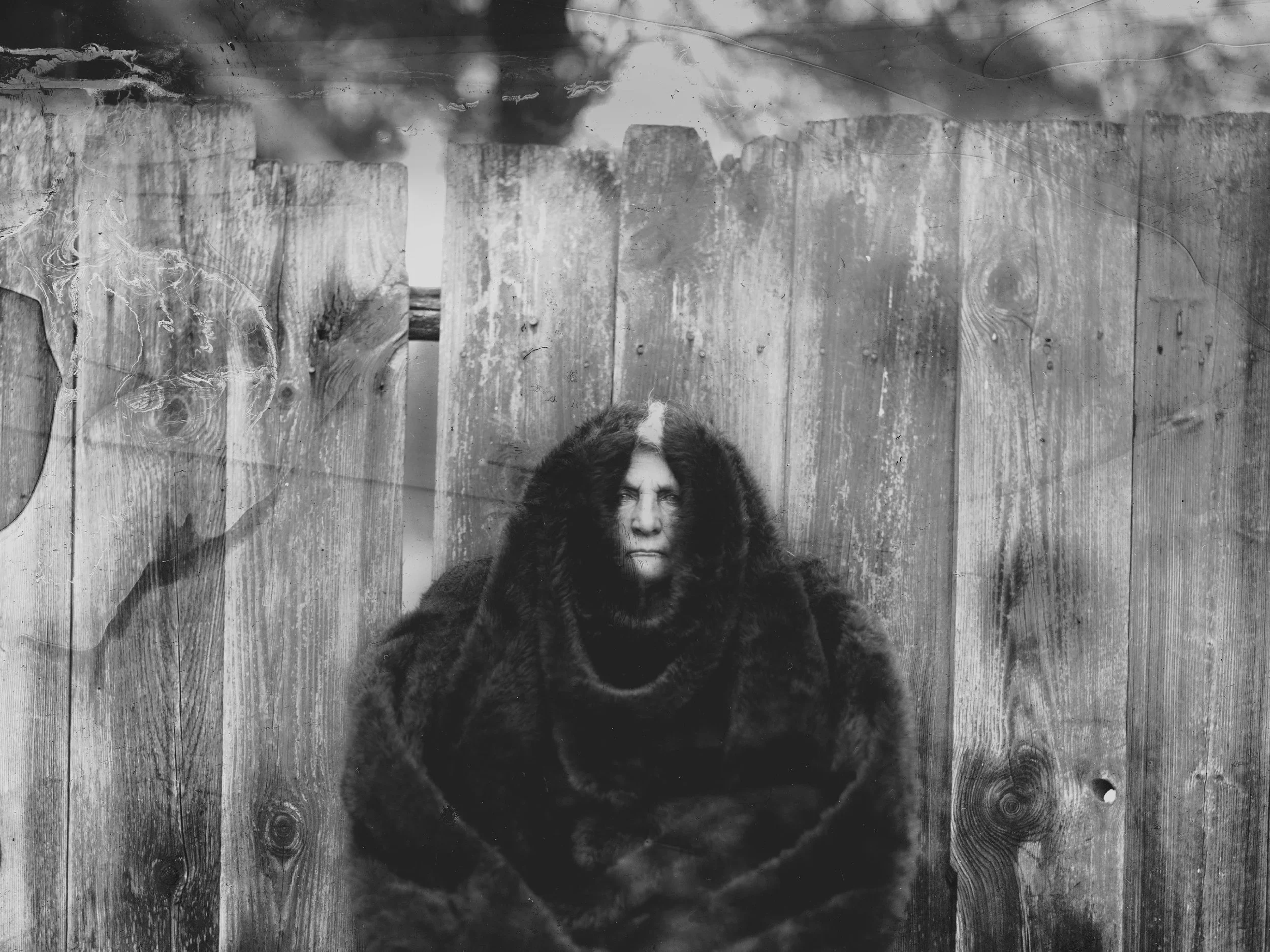
The Grandmothers series
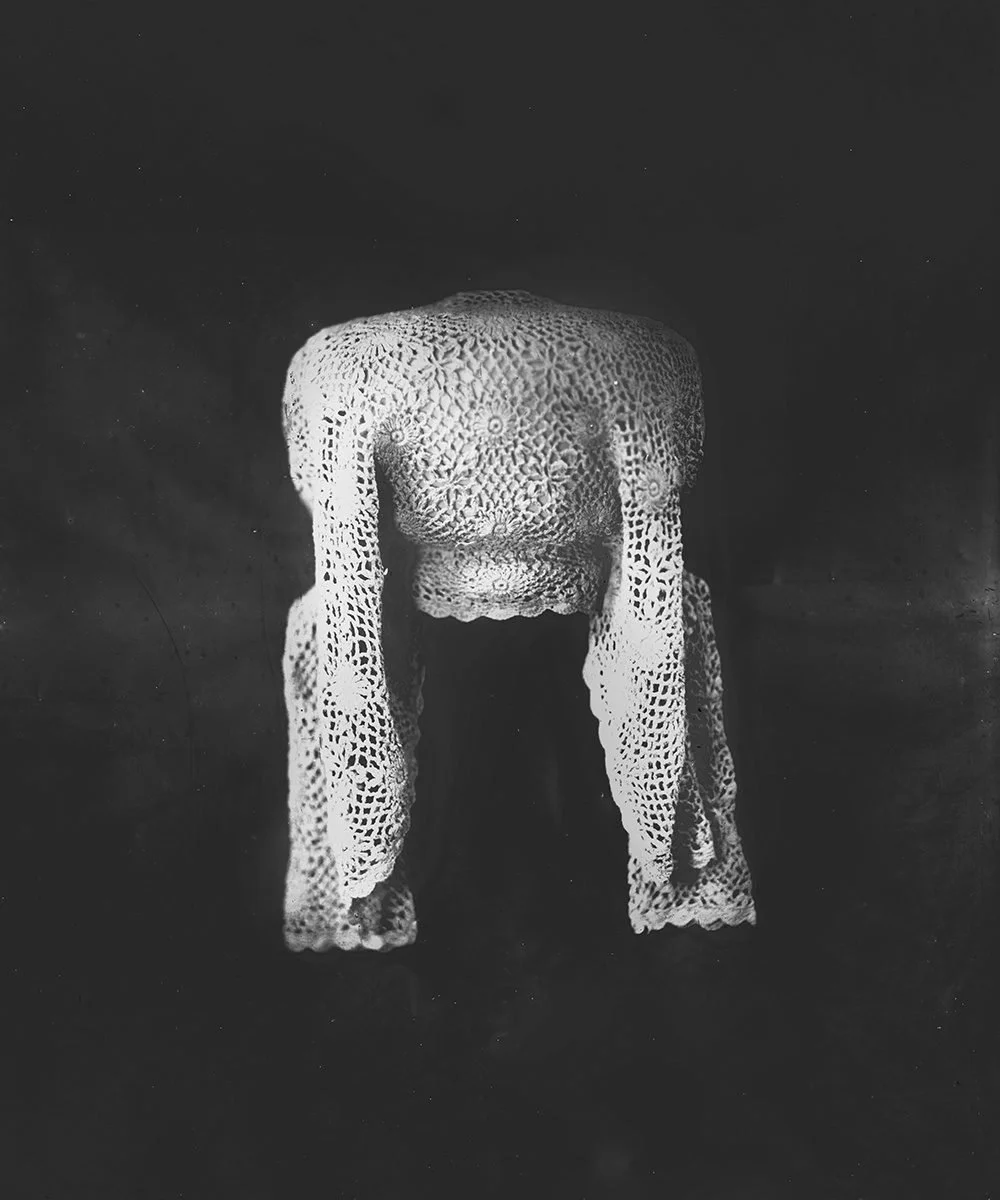
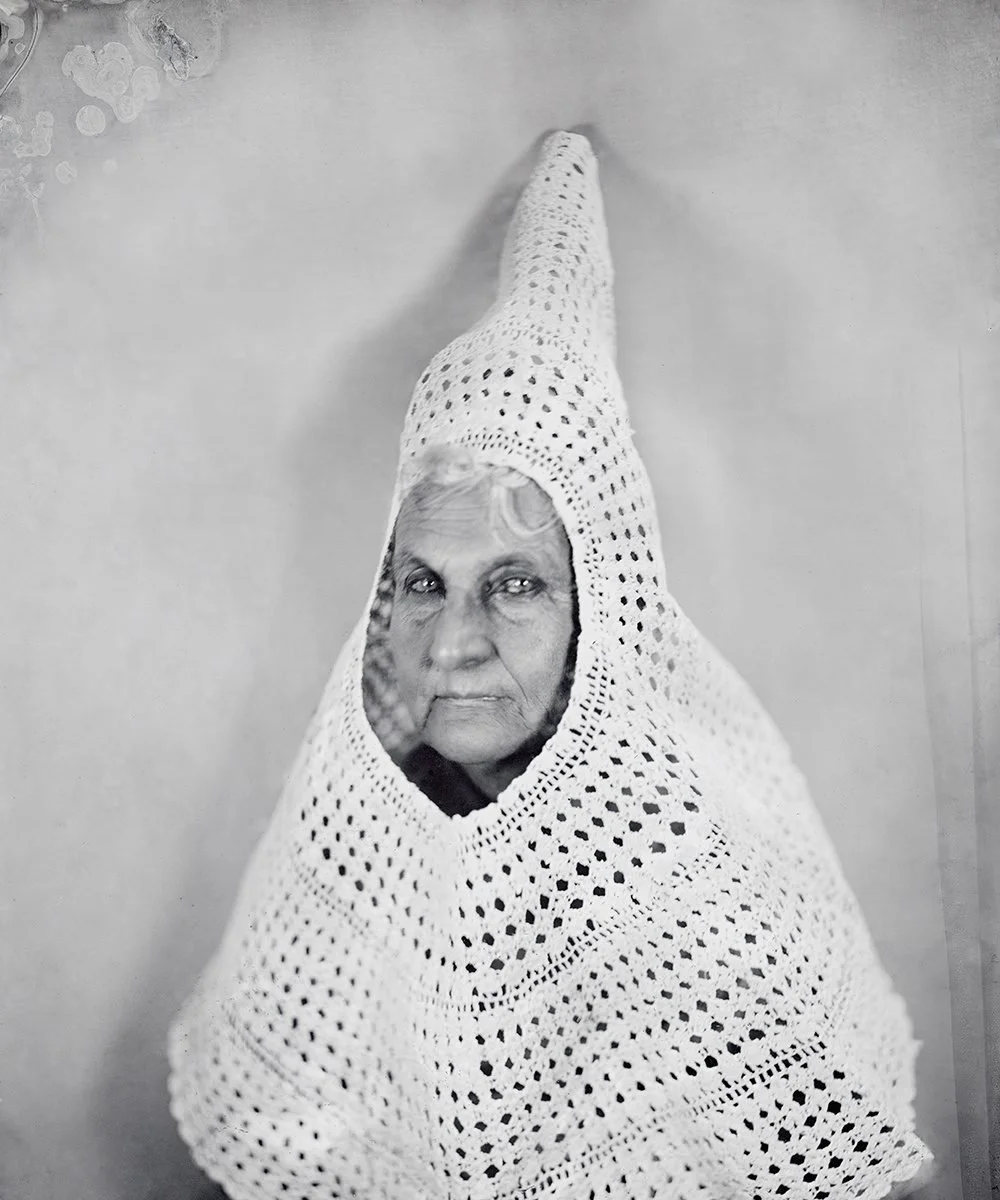
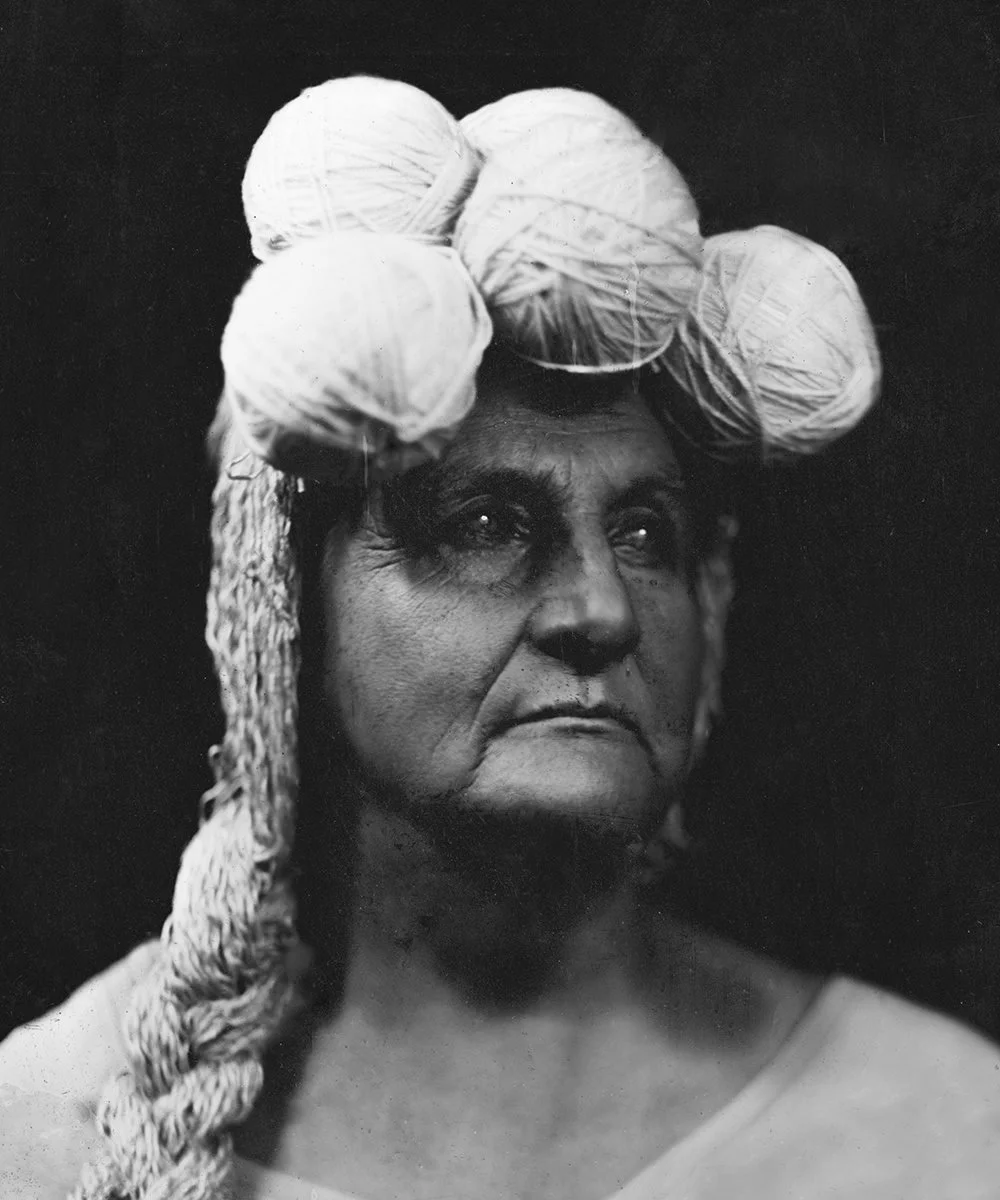
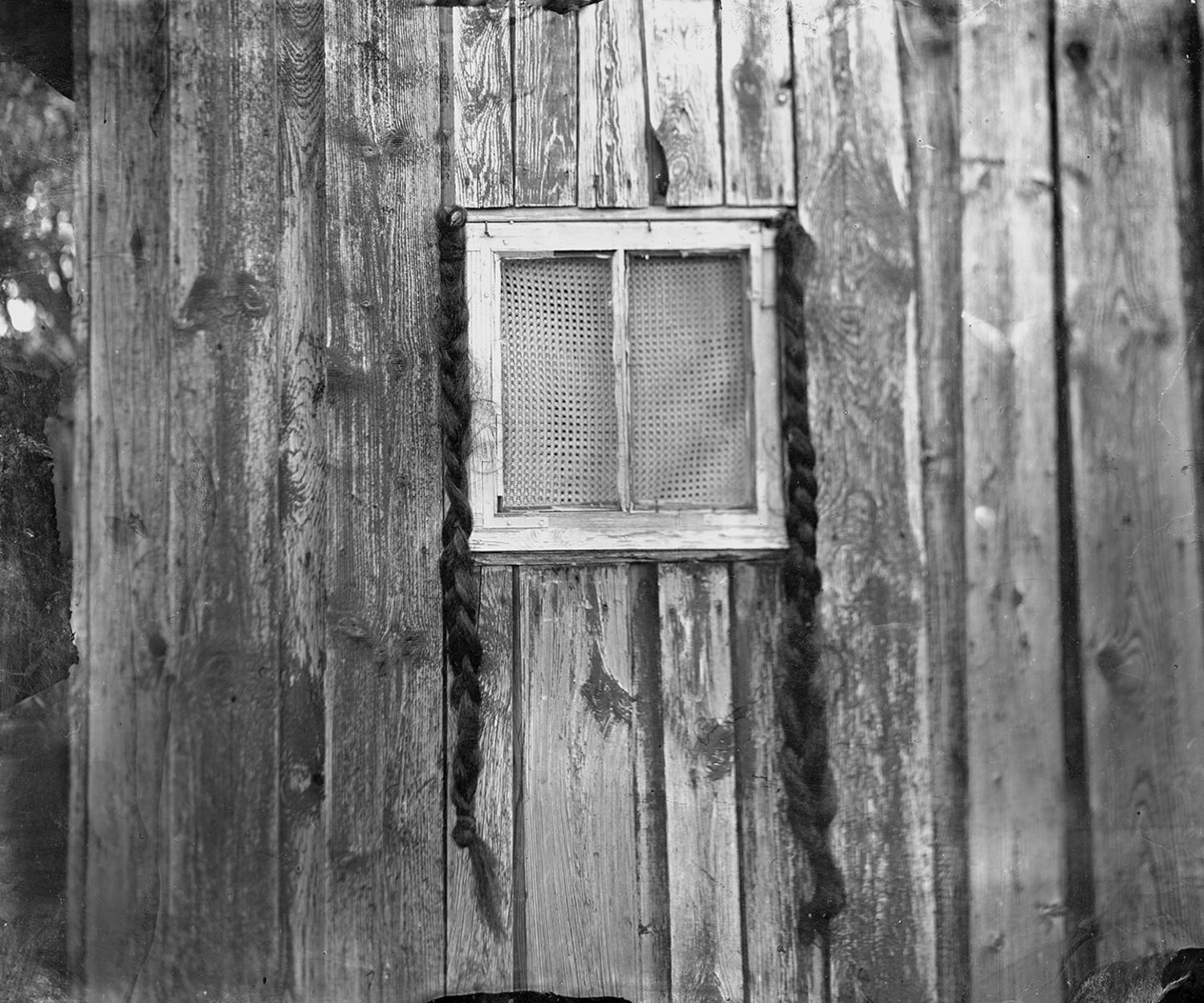
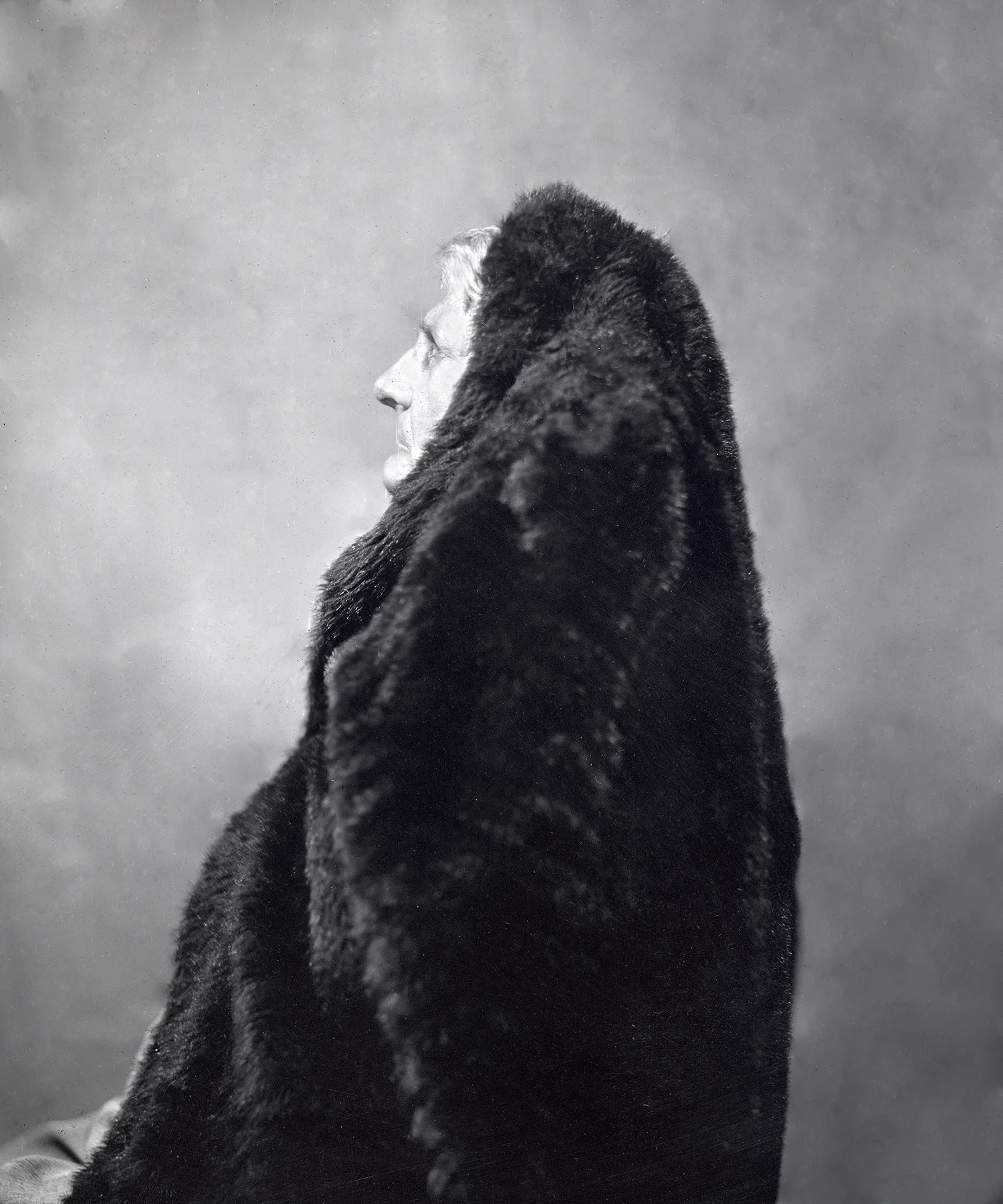
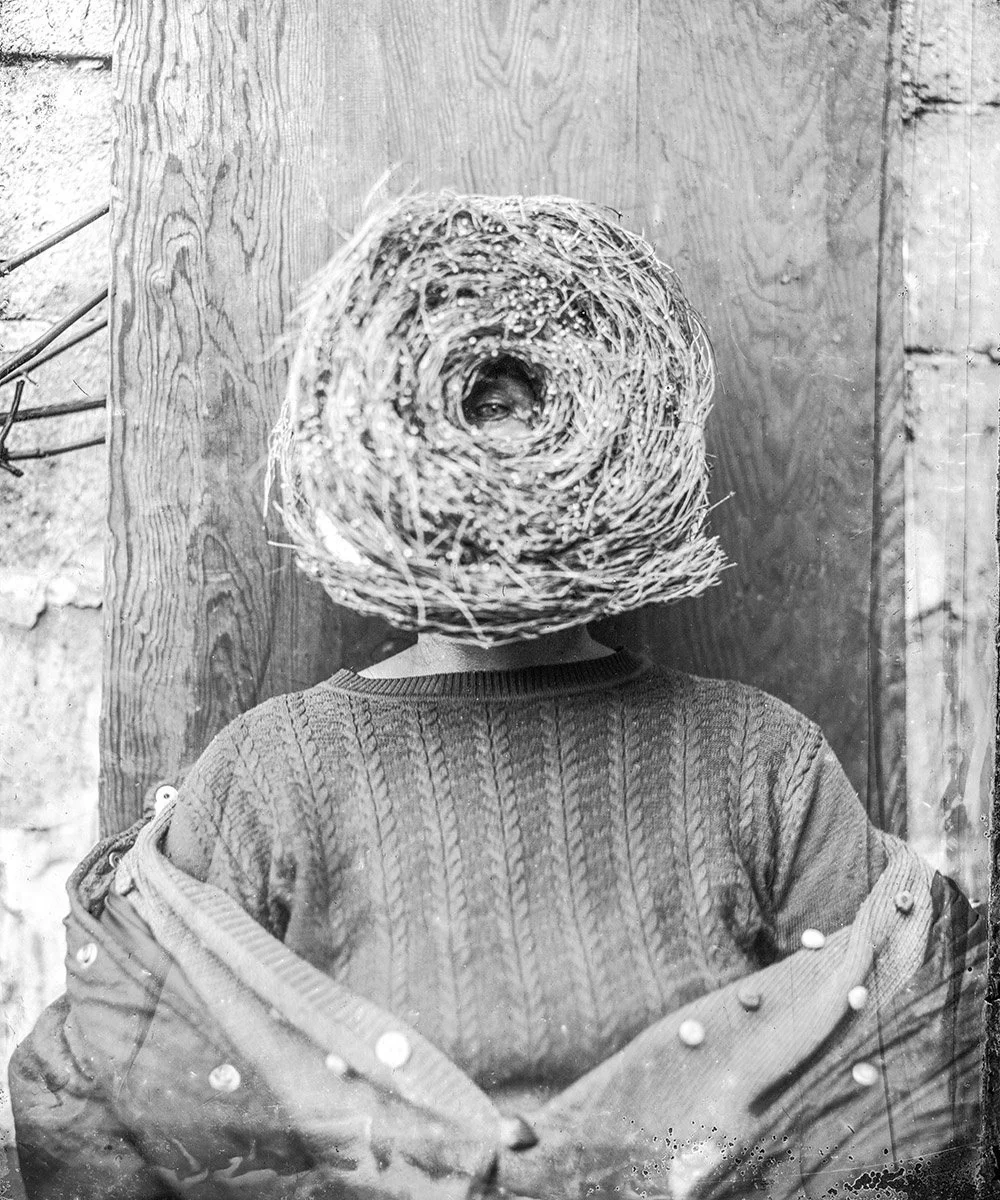
Just as her images blur the line between document and dream, Kuca resists fixed definitions of photography. "I'm drawn to that blurry line between what's real and what's spiritual (...) I'm not precious about purity. I believe photography is a capacious medium and can hold spaces for many contradictory approaches. I've worked with animation, moving image, and voice - because for me folklore and craft need to stay alive, evolving, and be a bit mischievous."
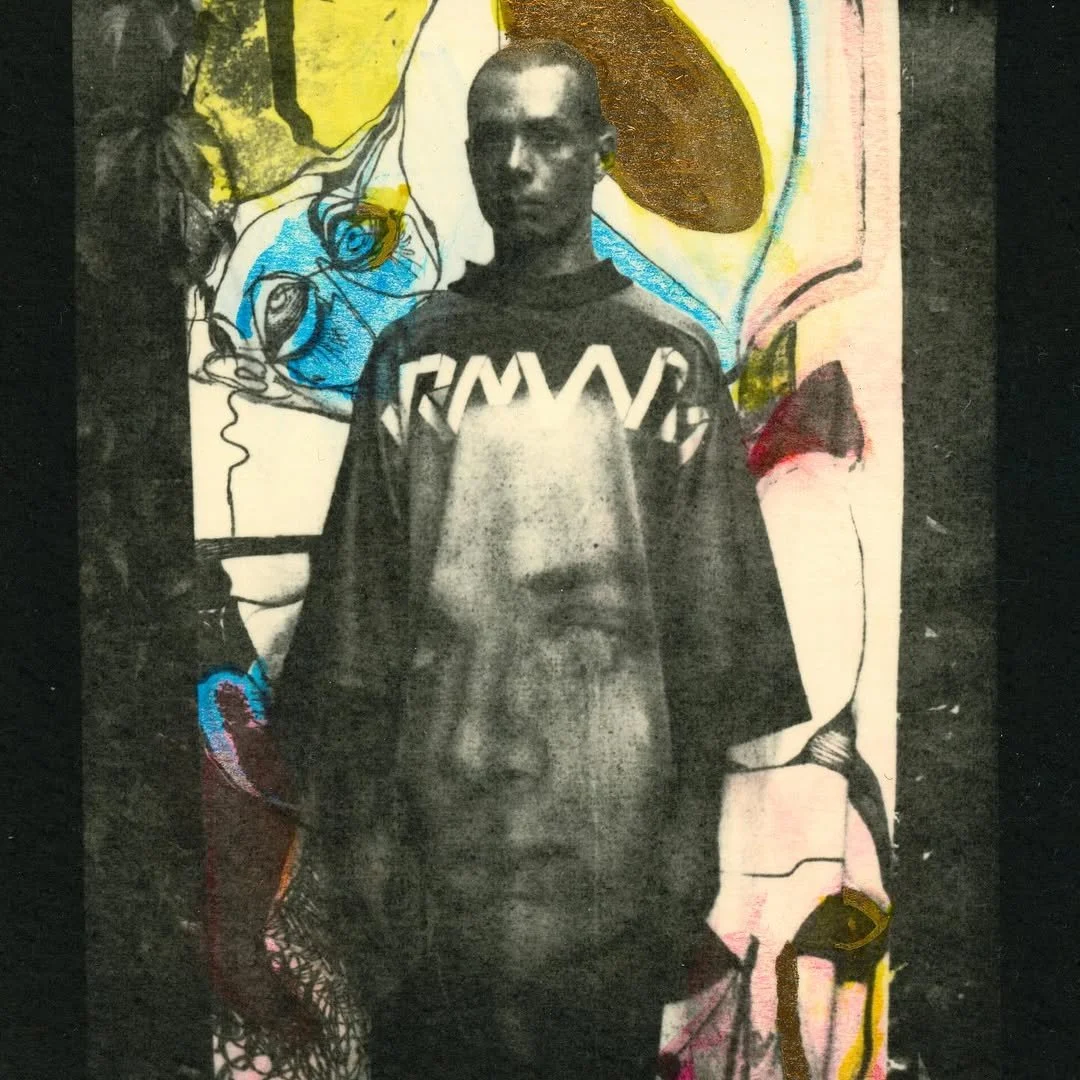
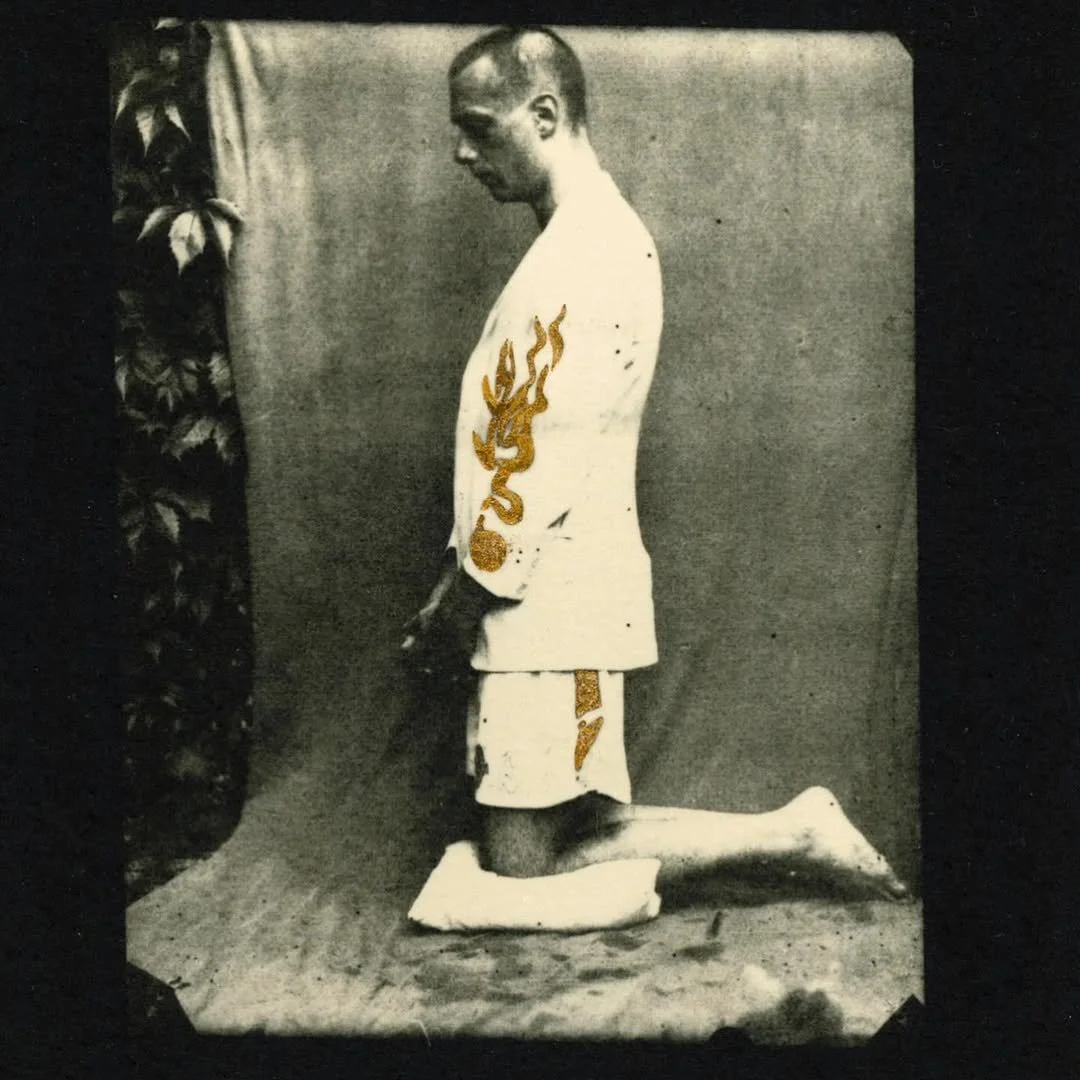
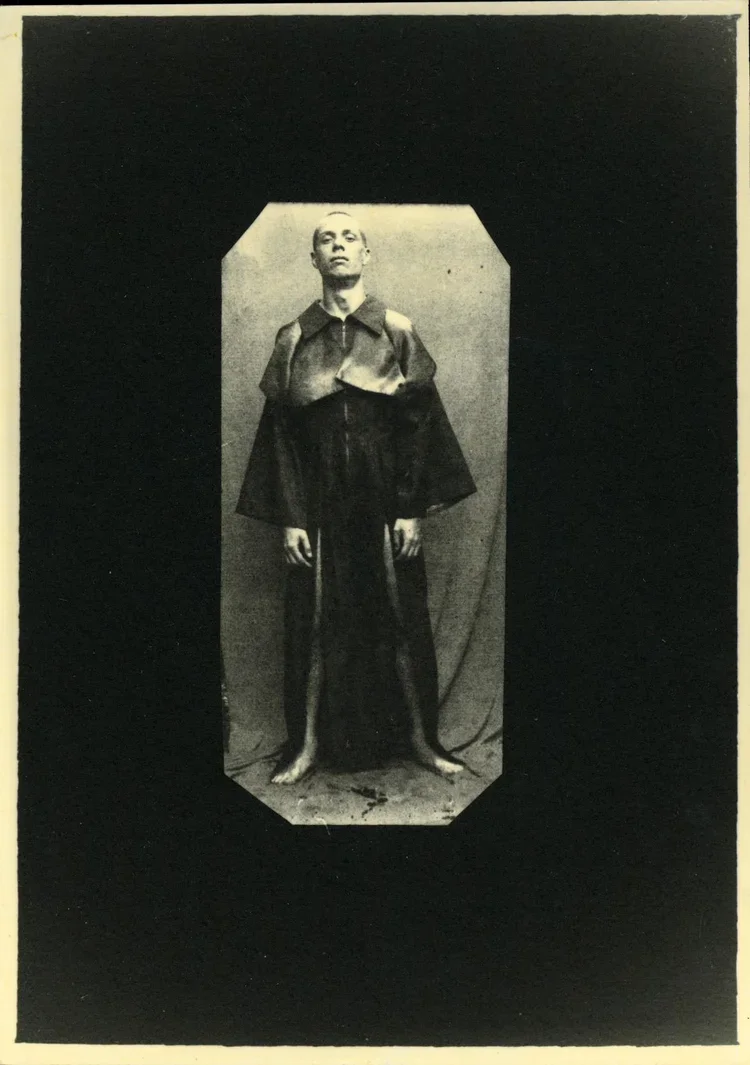
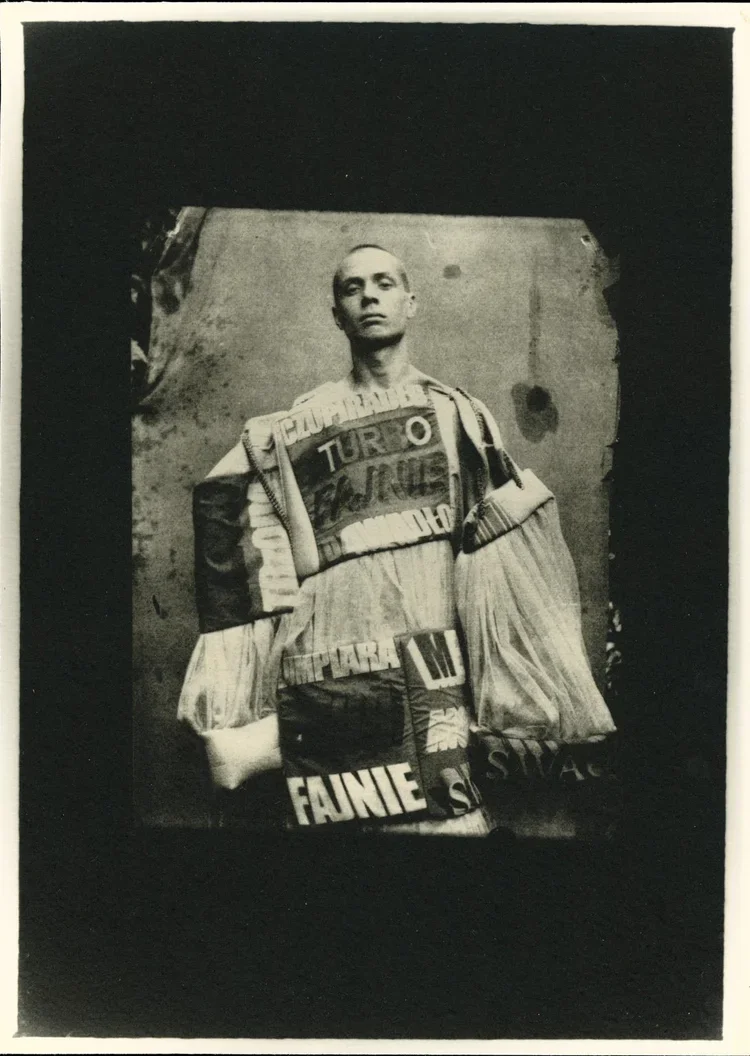
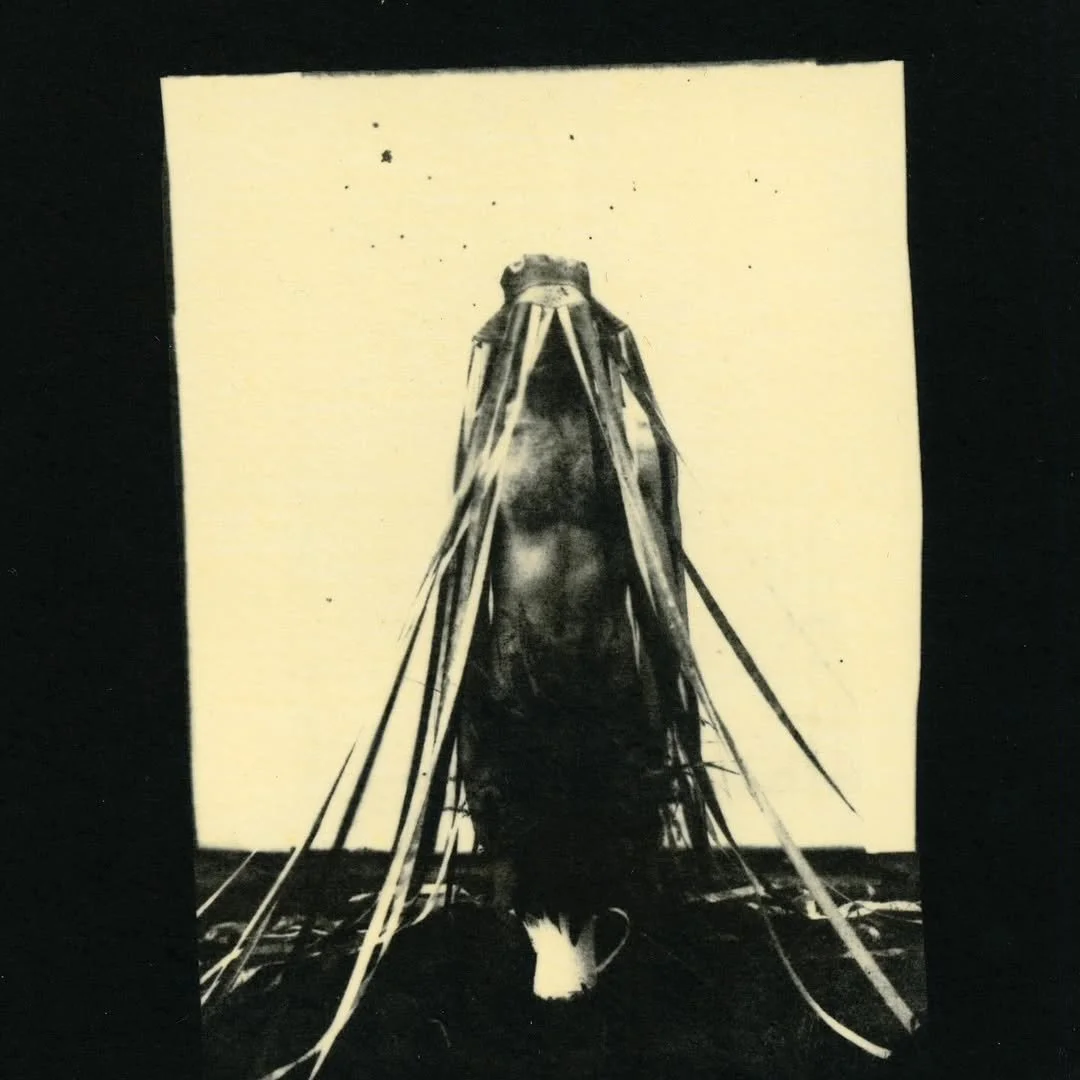
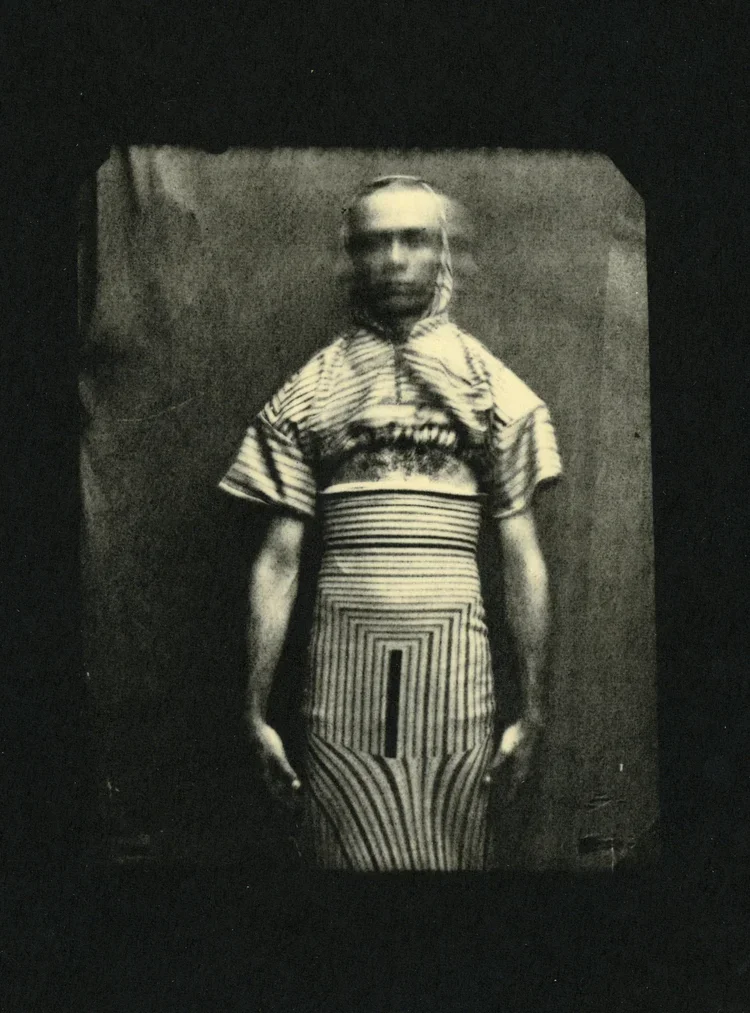
Kuca’s collaborations span various disciplines, including fashion, but she chooses them carefully - steering away from purely commercial work in favour of shared values. Her collaboration with Łódź-based designer Tomasz Armada is one great example. Armada’s practice centres on recycling and a resistance to overproduction, making his work a natural match to Kuca’s. The resulting images, wet plate meeting garments from his ‘Holy Communion’ collection, sit somewhere between fashion photography and fine art. The heritage technique lens on contemporary pieces gave Armada’s collection an almost ceremonial weight and unique sense of nobility.
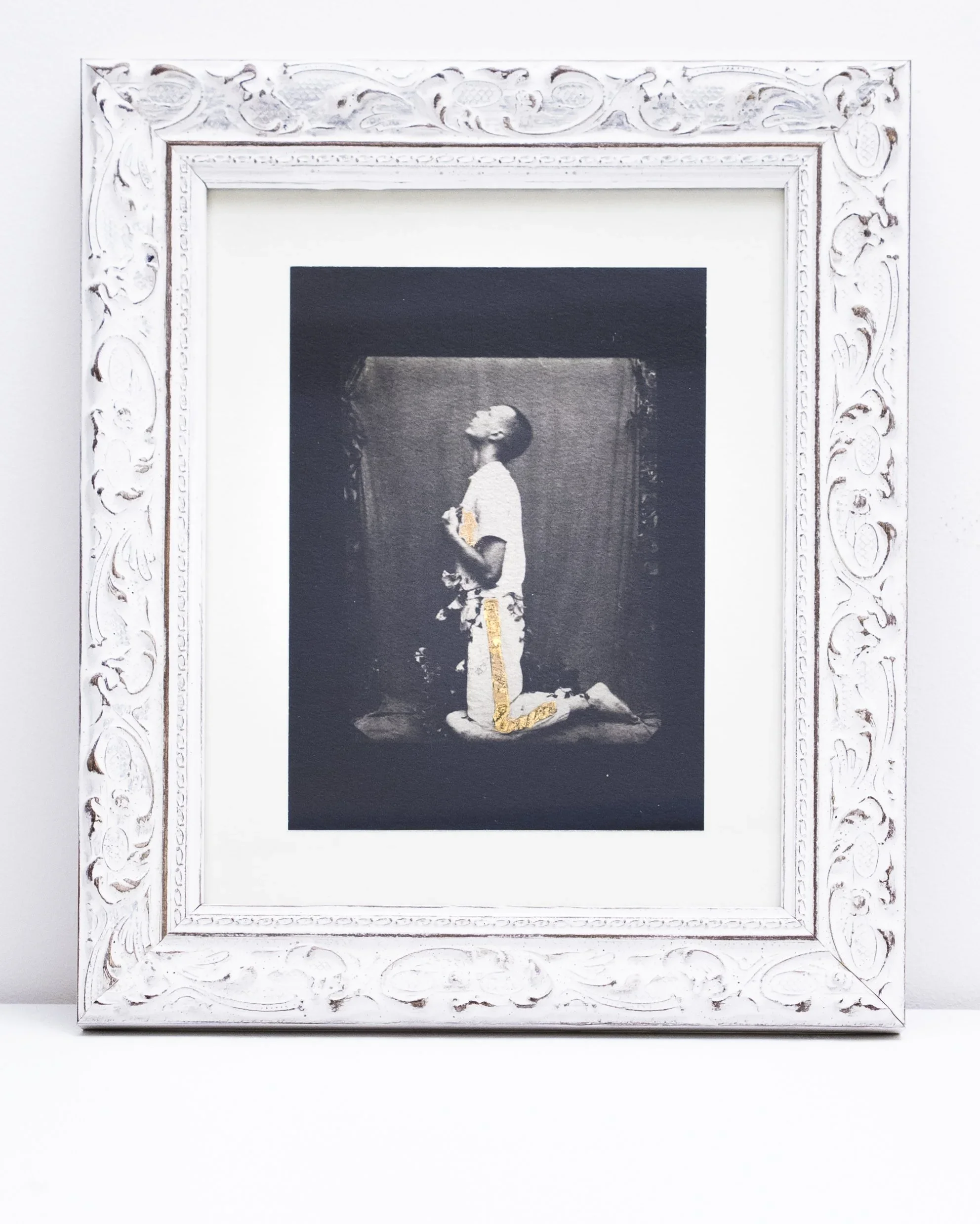
collaboration with Tomasz Armada
Another project, the ongoing ‘Blood of My Blood’ explores intersections between medical and photographic histories, working in dialogue with collections from London’s Old Operating Theatre Museum and (Museum of Anaesthesia). It reflects Kuca’s broader interest in creating and presenting work beyond the traditional gallery space. “I started thinking about how to bridge the work with places that carry their own histories,” she says. “To step outside the white cube.” (Her work will be presented at both museums in May 2026)
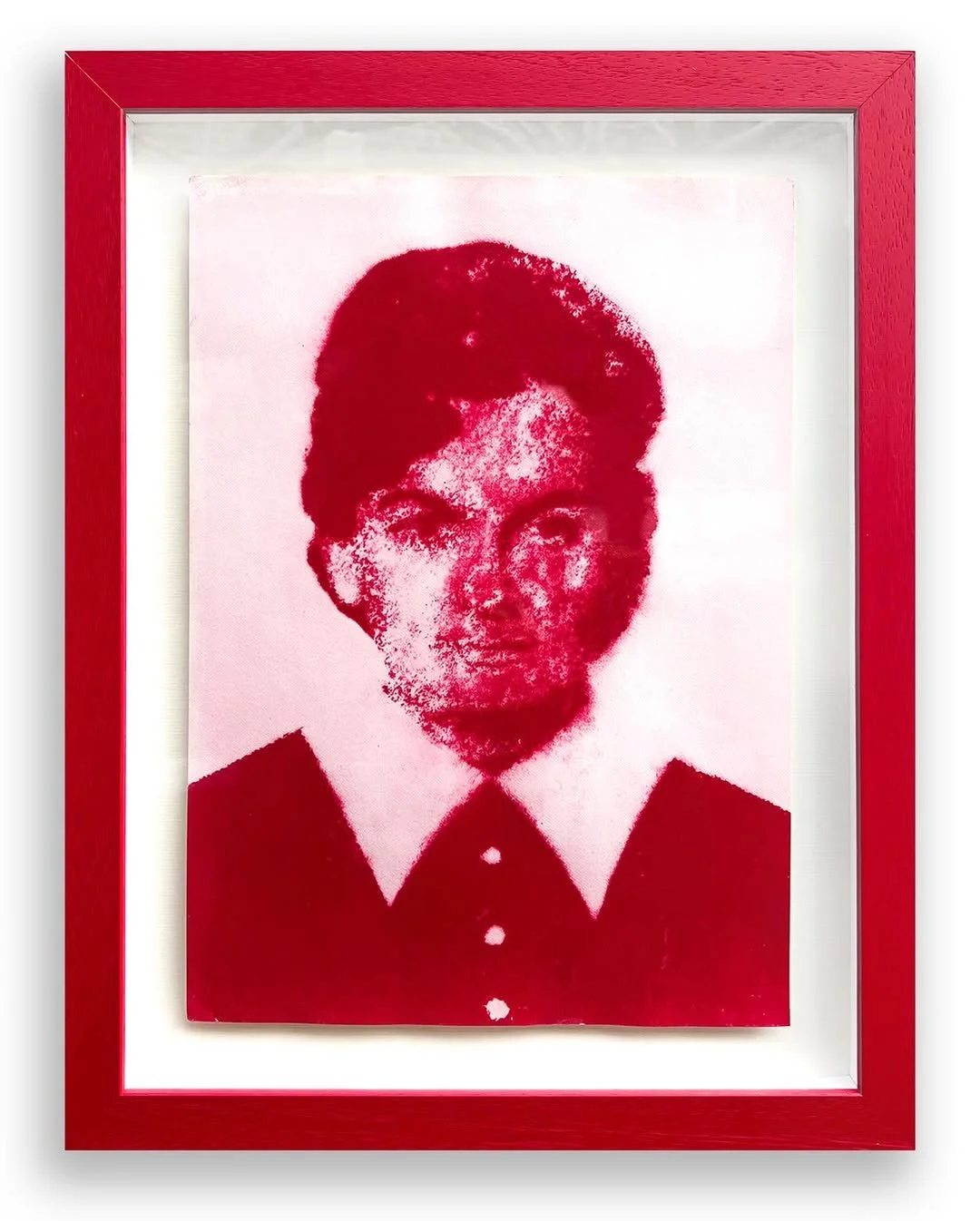
Blood of My Blood series - Aunt Sabina

Blood of My Blood series - Ether inhaler replica from Museum of Anaesthesia collection
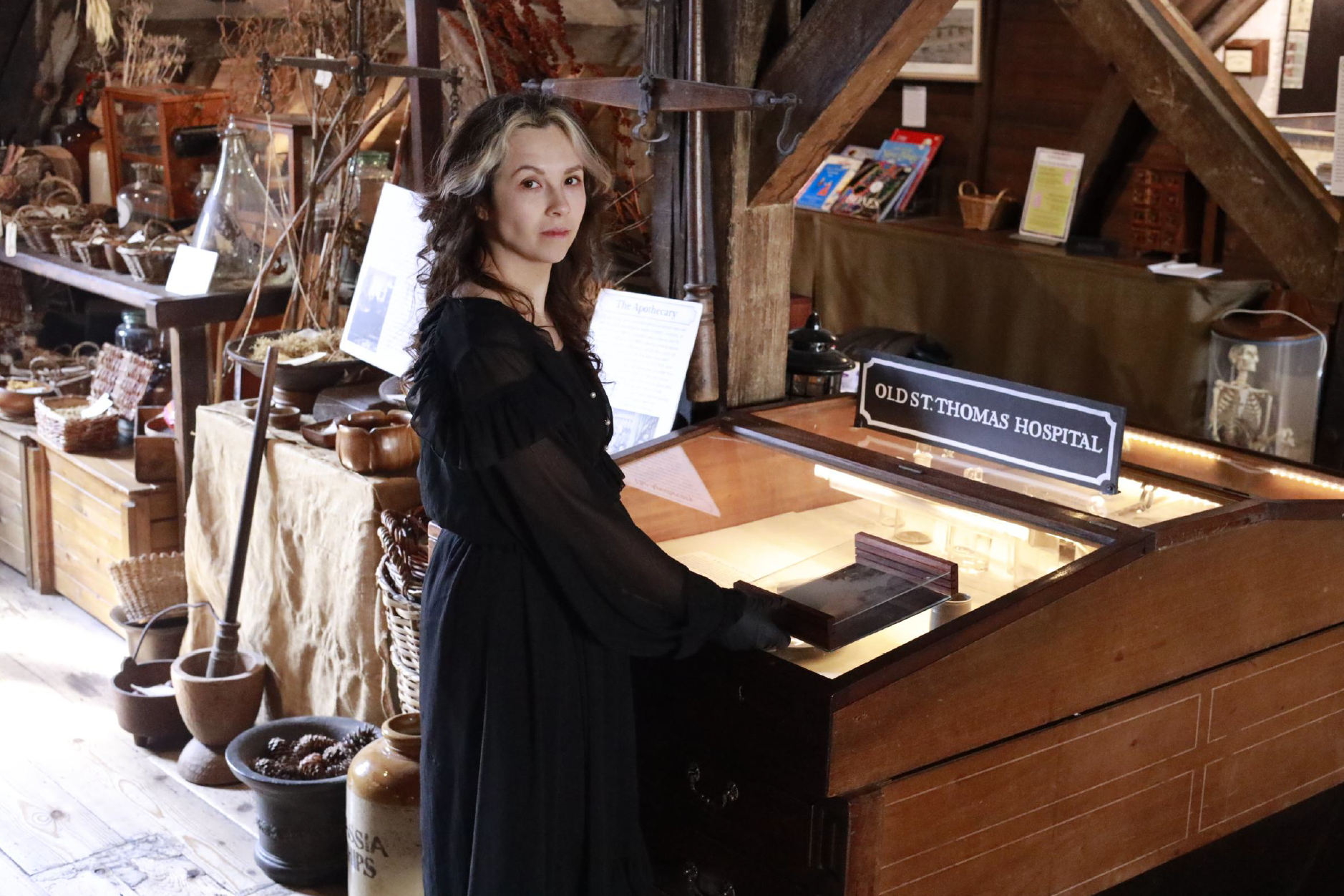
Magda at the Old Operating Theatre, preparing for her solo presentation on 28th May
Having produced an enormous variety of projects spanning ten years of creative exploration, in 2024, she gathered her body of work into ‘Tales’, a book she produced with an independent publisher Lost Light Recordings, with an introduction by Martin Barnes, Senior Curator of Photography at V&A. It was presented at London’s Photographers' Gallery and can be purchased via the artist’s website.
"Poland gave me stories, and London the space to tell them."
Distance from homeland, she notes, has sharpened her sense of identity. “When you live away, you start noticing what you’re made of - what you miss, what you keep.” London, with its intensity, has required her to build a sustainable practice: teaching, commissions, studio work. “It’s a hard city, but it allows you to be experimental. Nobody blinks. (...) Poland gave me stories, and London the space to tell them.” She is also part of the Rethinking Eastern Europe collective, a group challenging persistent stereotypes about the region. (Group is set to exhibit together in Photo London’s discovery section this May).
Asked about the future of photography - and how her work sits within an image culture increasingly shaped by AI - she remains optimistic. Demand for her work, she notes, has only grown. “In recent years, I’ve seen a renewed interest in craft. As more work becomes screen-based, people are craving the experience of making something with their hands.”
Her advice to younger photographers is quietly countercultural and really inspiring:
“Go slower than the world tells you to. And go deeper than ‘content’. Learn the roots. Even if you end up working digitally, understand where photography comes from. Touch the materials at least once. Try something that resists you - something that isn’t easy. Because your process shapes your thinking. And don’t be afraid of imperfection. Or failure. Sometimes the process turns against you and you go back to the beginning. But when everything aligns - when the image finally appears—there is nothing quite like it.”
For Magda Kuca, that moment - the image emerging from chemistry and glass, from slowness and risk, plan and serendipity - remains the essence of photography. Not a file, but a form. Not content but art.
Images courtesy of Magda Kuca