Craft That Looks Ahead: Books and boxes by Piotr Jarosz
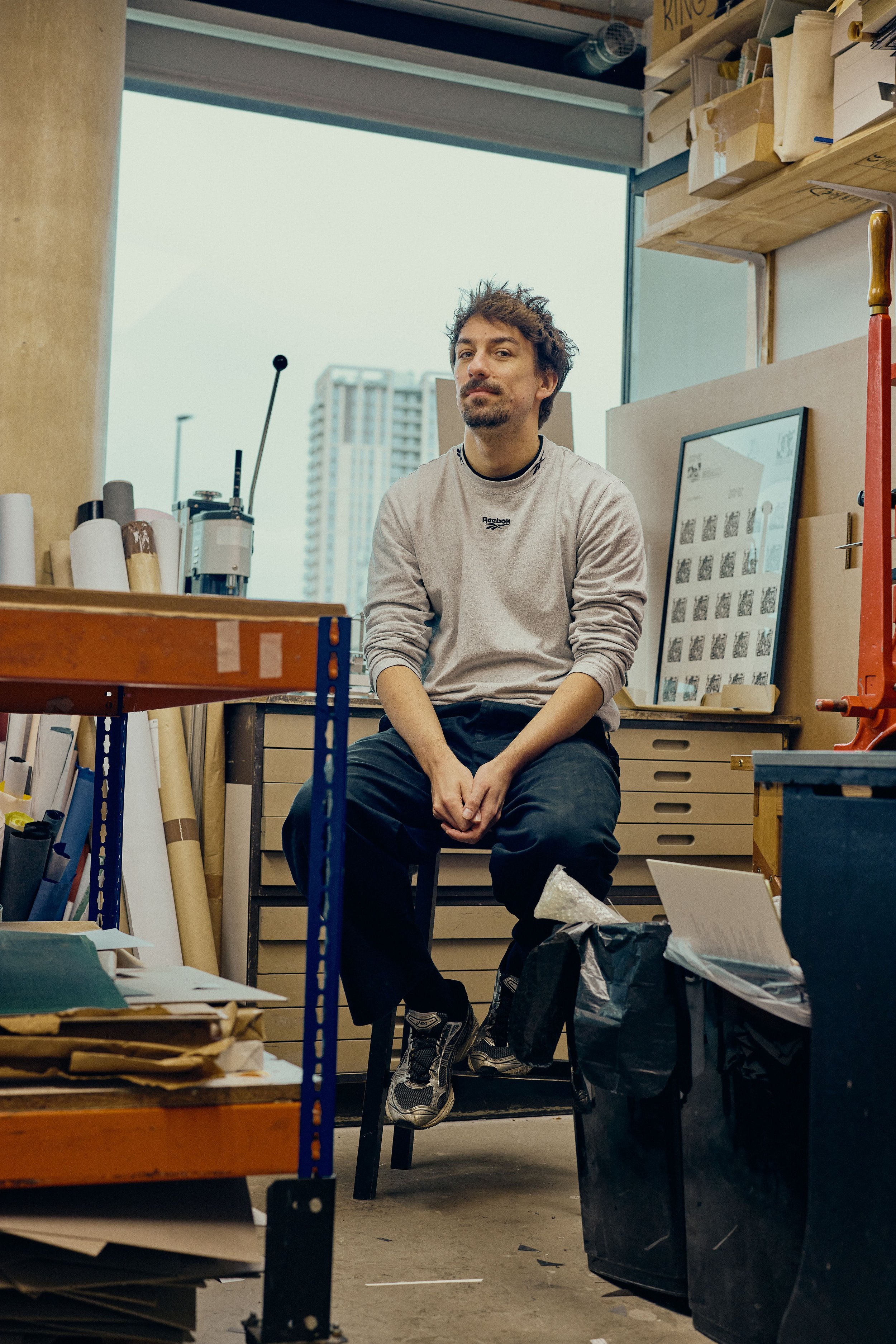
phot. Ben Peter Catchpole
Stating the obvious: books are having a moment in fashion. Literary clubs, bookshops, publishing projects, reading lists and collections built around literary references are ever present. Miu Miu's Literary Club has turned reading into a recurring part of the brand's cultural programme, Valentino's engagement with literature extends from the runway to sponsoring the International Booker Prize. All over the industry, in ways both inventive and predictable, books show up as references, objects and settings.
The appeal is easy to grasp. In a culture of endless scroll-fatigue, the analogue experience of a printed book feels luxurious. It asks for two of today's scarcest commodities - time and attention. It also speaks to fashion's other current keyword - craft. A book is not only a carrier of ideas but an object in itself. The paper, binding, structure and the knowledge behind its making all contribute to its value and charm.
So while books have become an aesthetic in their own right - a campaign image, a cultural programme, a beautiful styling prop - it is worth looking closely at the skills and accumulated knowledge that allow books to exist in the first place. And people who still know how to make them properly. If reading a book is a relaxing pause, making one is a way of sustaining a measured breath in a fast-paced world.
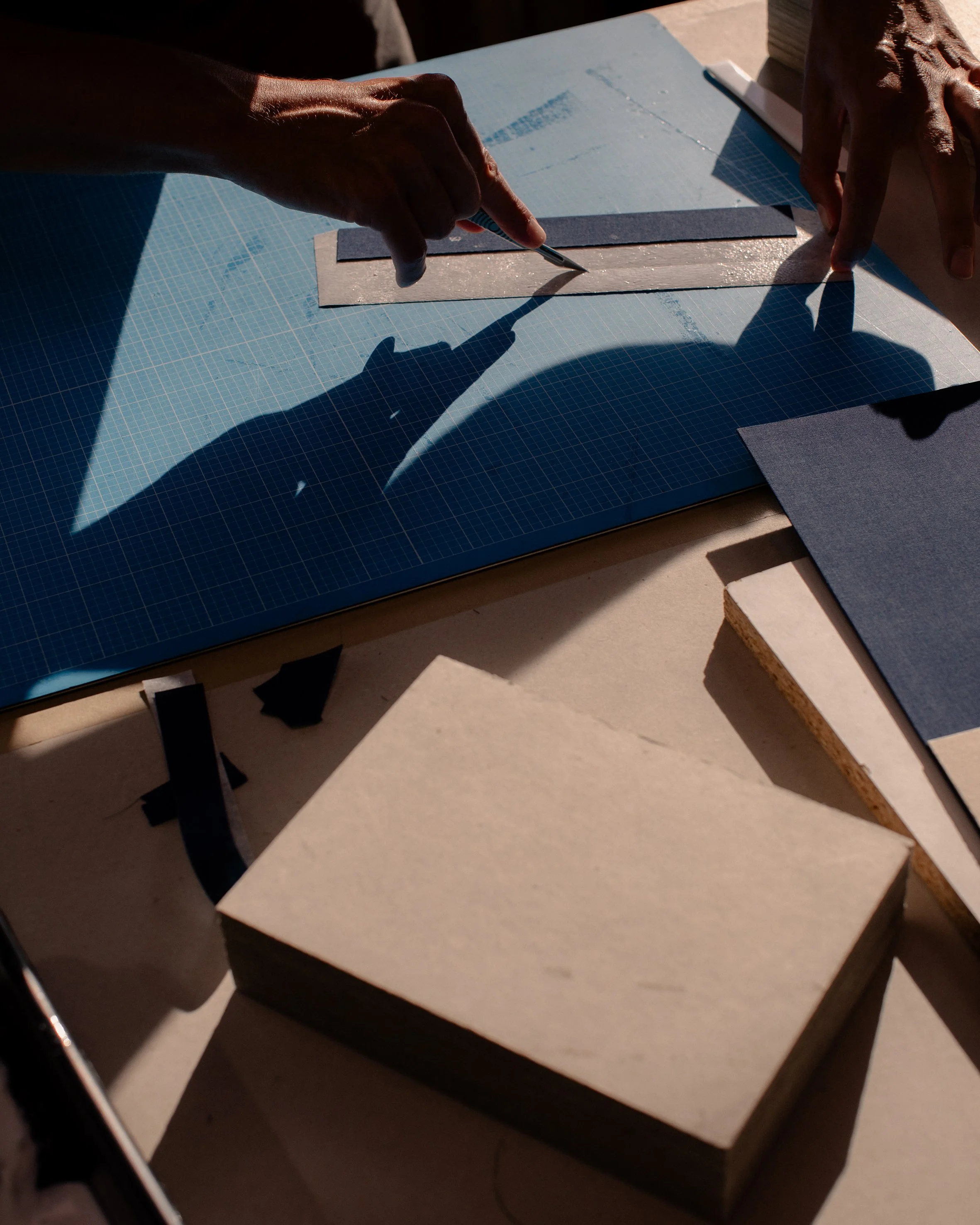
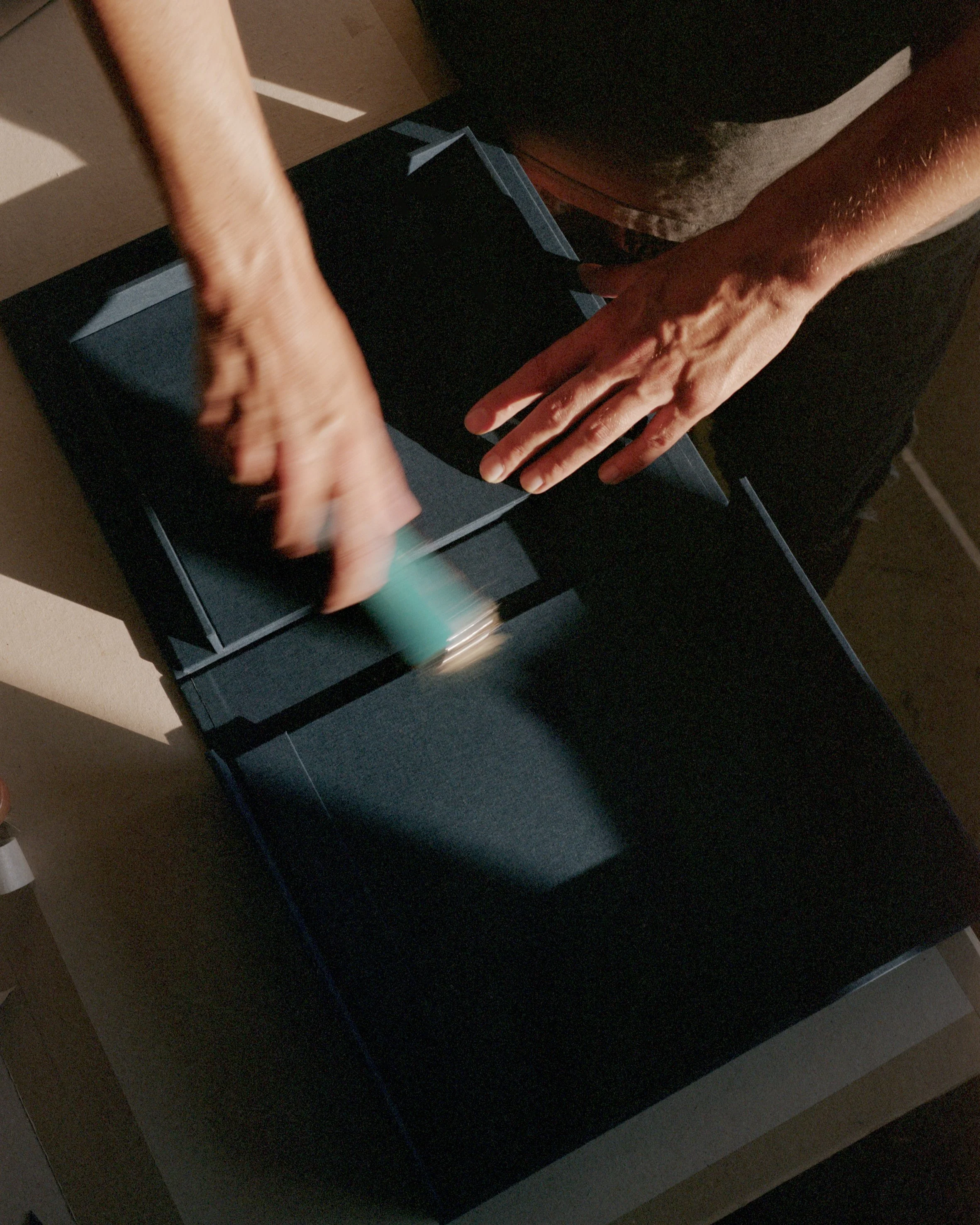
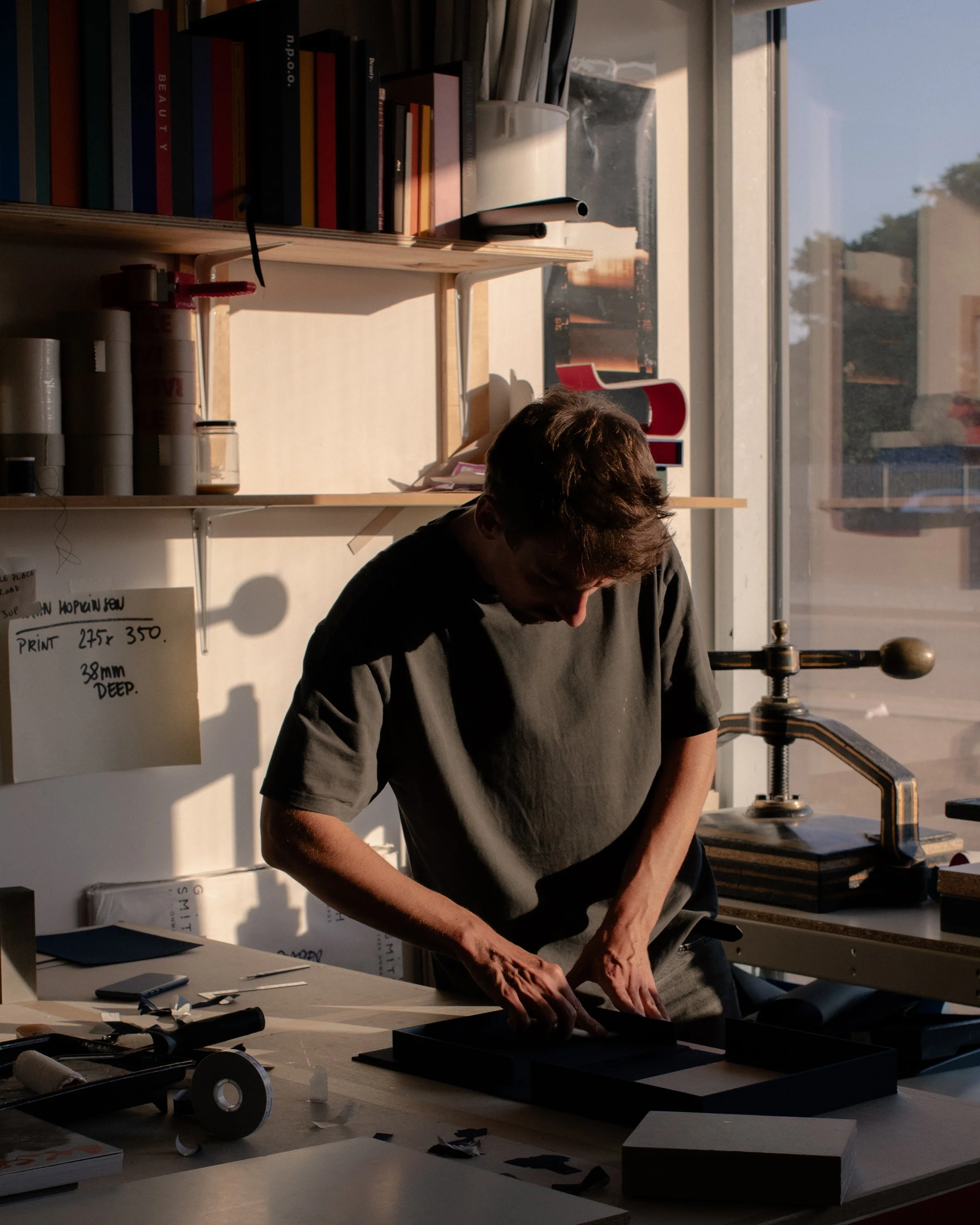
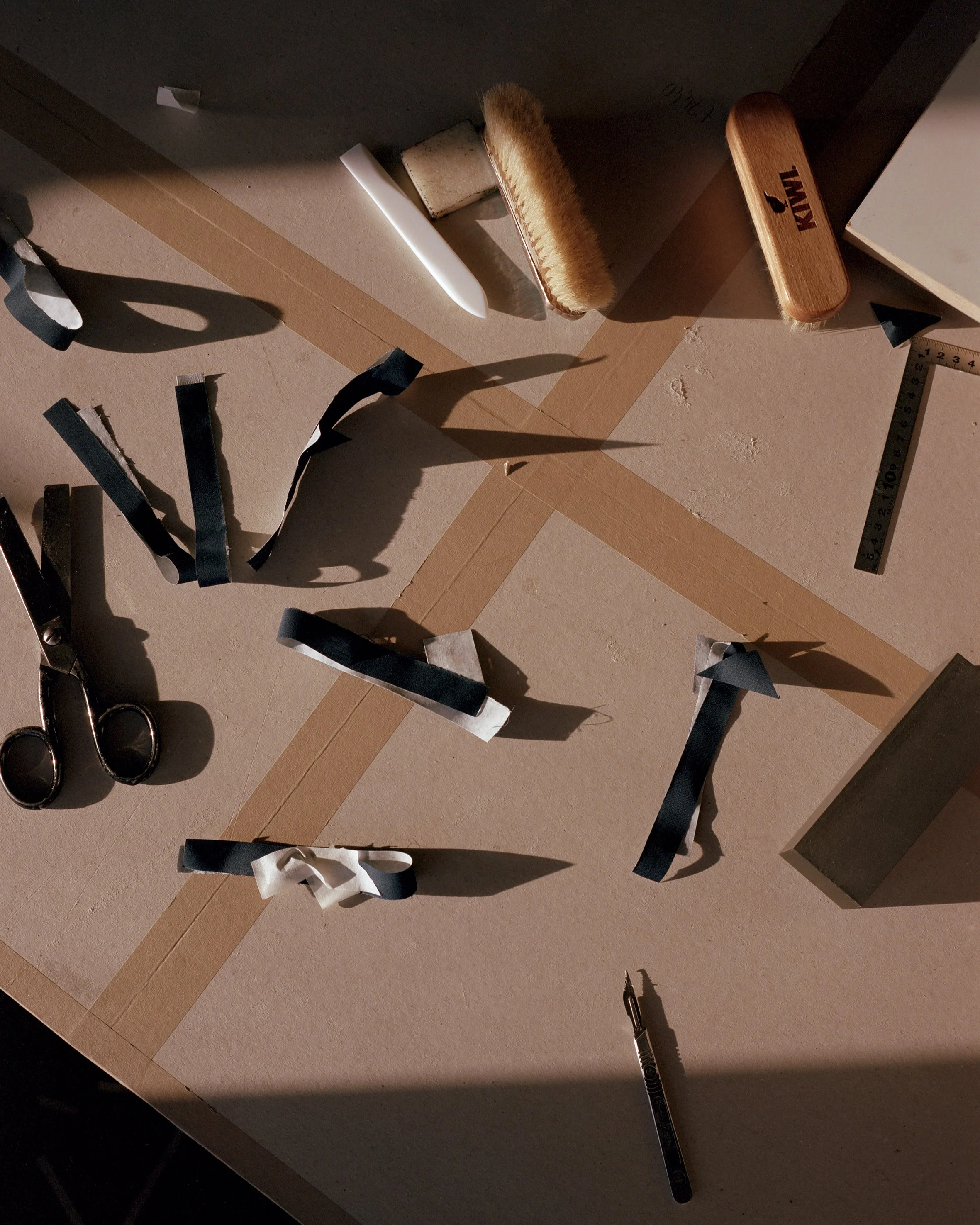
East London-based bookbinder and box-maker Piotr Jarosz works with designers, artists, brands, galleries and collectors. His work is the finishing touch that makes a book or object whole. Jarosz’s practice grows from the discipline and ethos of fine bookbinding, while also exploring what the book might become next. Our conversation drifts beyond technique, into creative journey and the relationship between making and mindful living.
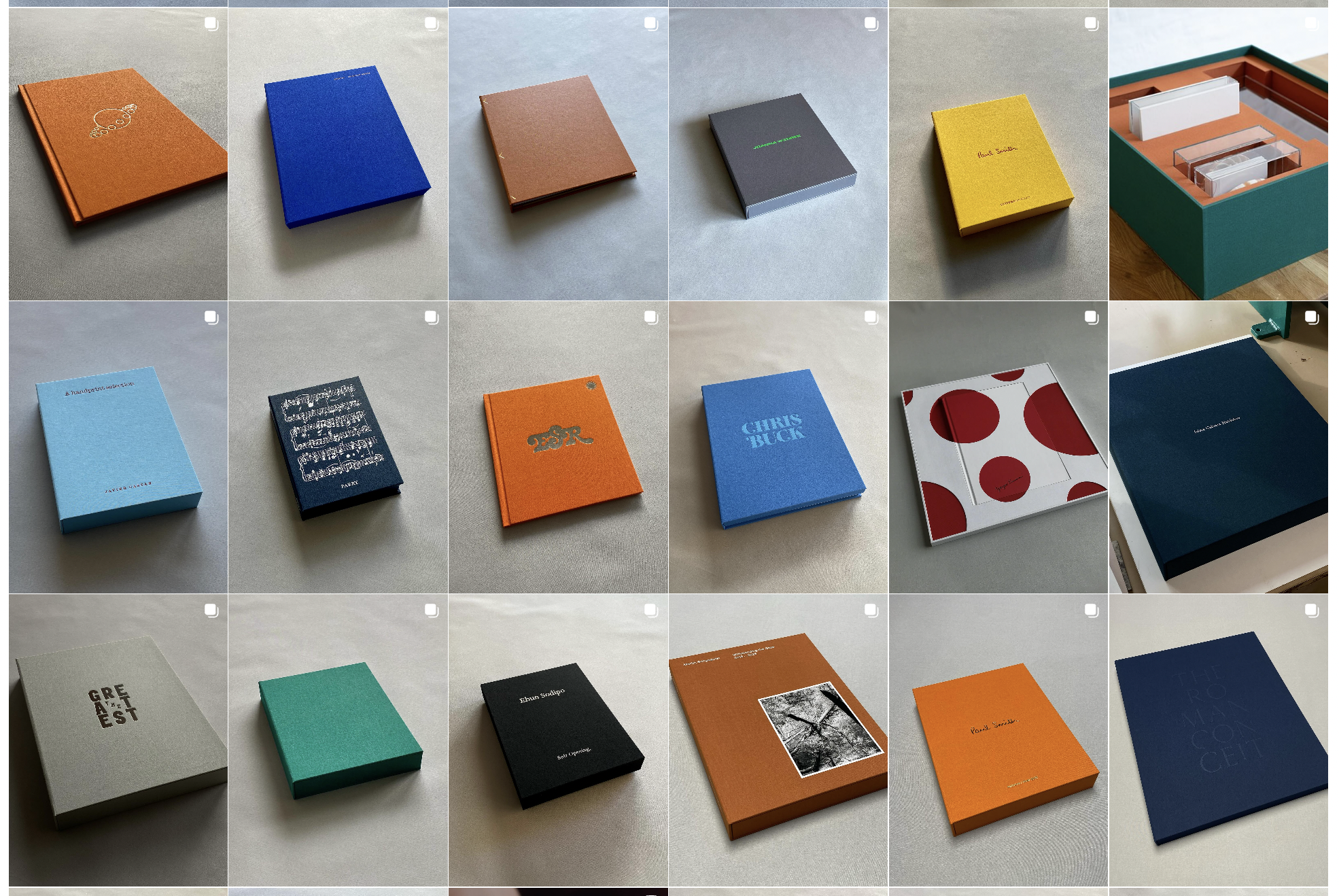
There is a signature visual language to his work. His practice builds on heritage and fine craft, but there's something fresh and playful in the way each piece is assembled. Scroll through his Instagram and you won't find ornament or pattern. No marbled papers, no gold edges, nothing nostalgic. Instead there are sophisticated colour combinations, precision and satisfying, modular forms. Craft that looks ahead.
As I learn that his childhood obsession was LEGO - it makes total sense. The same pleasure in building, arranging and fitting pieces together clearly has found a grown-up expression in his craft today.
Earlier in his career, Jarosz took on larger commissions and worked with an assistant. Today, rather than chasing volume, he prioritises smaller, more specialised projects. Ones that leave room for experimentation and a deeper level of mastery. “I want to focus on smaller-scale, unique projects - high-quality work that bears my own name,” he says. Being able to choose his projects is the result of a decade of hard work, dedication and building his name within this elite field.
His clients' spectrum covers wide. From more commercial to very personal ones. A photographer might commission a limited run of boxes to accompany a book and a large-format print, a contemporary art gallery might need a bespoke case for a USB holding a video art, a tailoring studio might want a special container to keep its swatch cards in order. Whatever the object, the box is never just packaging. As the first thing you touch, it sets the tone for what’s contained.
When I ask what is currently on his table, he answers with a smile “It’s pretty funny, actually. I’m starting work on three boxes intended for the Pope. They’re going to be a gift for him.” Commissioned by a publishing house he has worked with for several years, the boxes will hold a limited run of black-bound photography books, finished in what Jarosz calls “cardinal purple.”
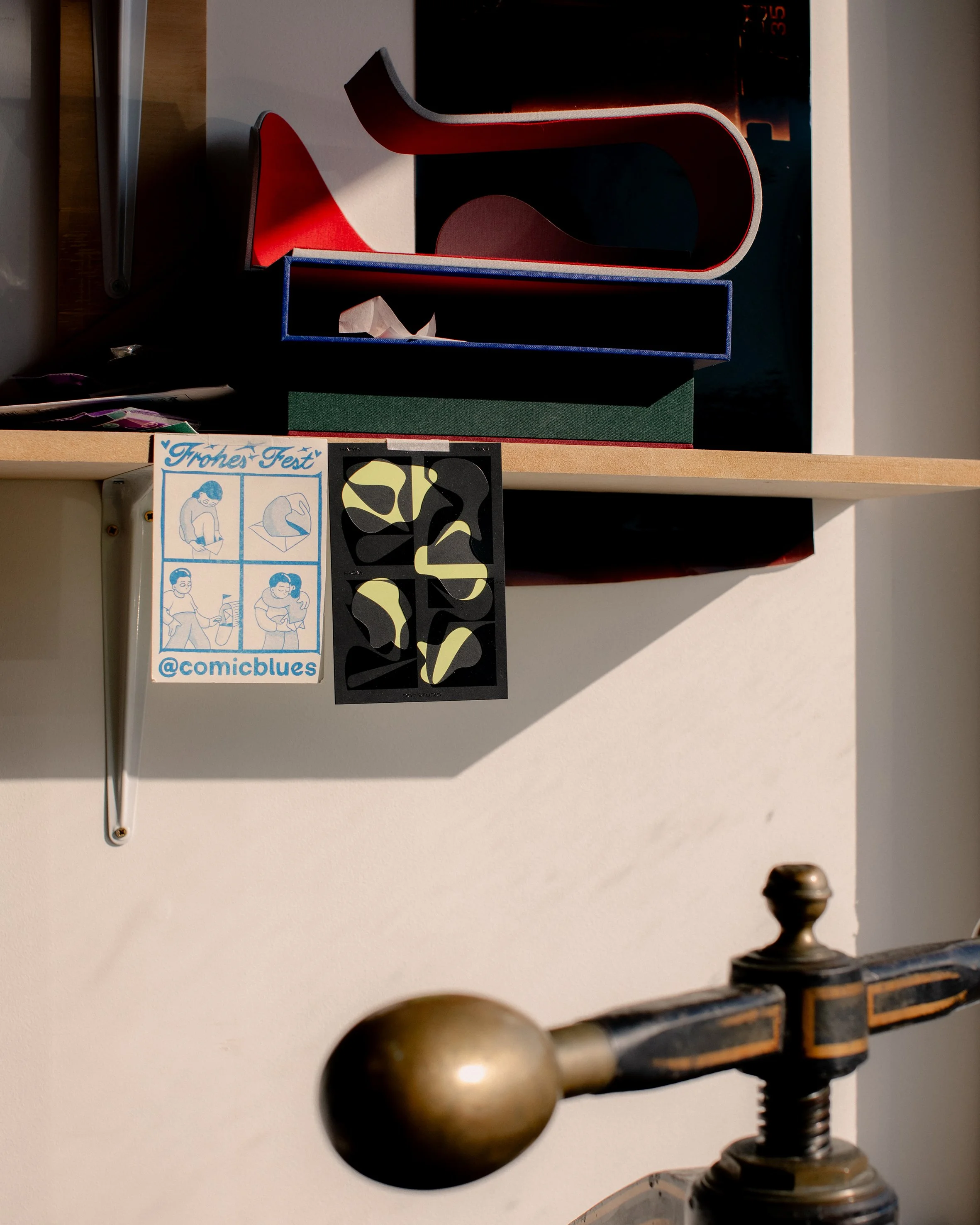
phot. Billy Barraclough
Influences
Shelves in a spectrum of colours define the space of Jarosz's studio. They act as physical references for clients, and often become the starting point for conversations and brainstorms for new projects.
For inspiration, he also regularly visits the British Library’s Treasures Gallery “this might sound super corny, though they have some really cool things. I drop by every now and then just to see what’s on display.” The gallery contains a wealth of pieces like manuscripts, scores, contemporary books sitting alongside Bible, Italian Futurist works or handwritten Beatles lyrics. “When I went there recently, they had sheet music - Beethoven’s, Mozart’s scores. You can actually see how the handwriting reflects the sound of the music. Like, Beethoven was just.. a madman. Whereas Mozart was more composed. And then, right next to that, you’ve got notes from the Beatles, lyrics to some song scribbled on a scrap of paper. You can really see their personalities shine through the paper.”
Another favourite, and just as eclectic, is the V&A Storehouse, where his attention goes to the architecture of display itself. He is fascinated by the wooden crates that hold objects there, the quality of their construction and the way they contribute to the overall experience of the collection. “I really like what they’ve done there; it’s a total democratization of the space, no hierarchy at all. (…) They have these beautiful crates to hold the items, I’m totally geeking out over it because they’re just so beautifully crafted”.
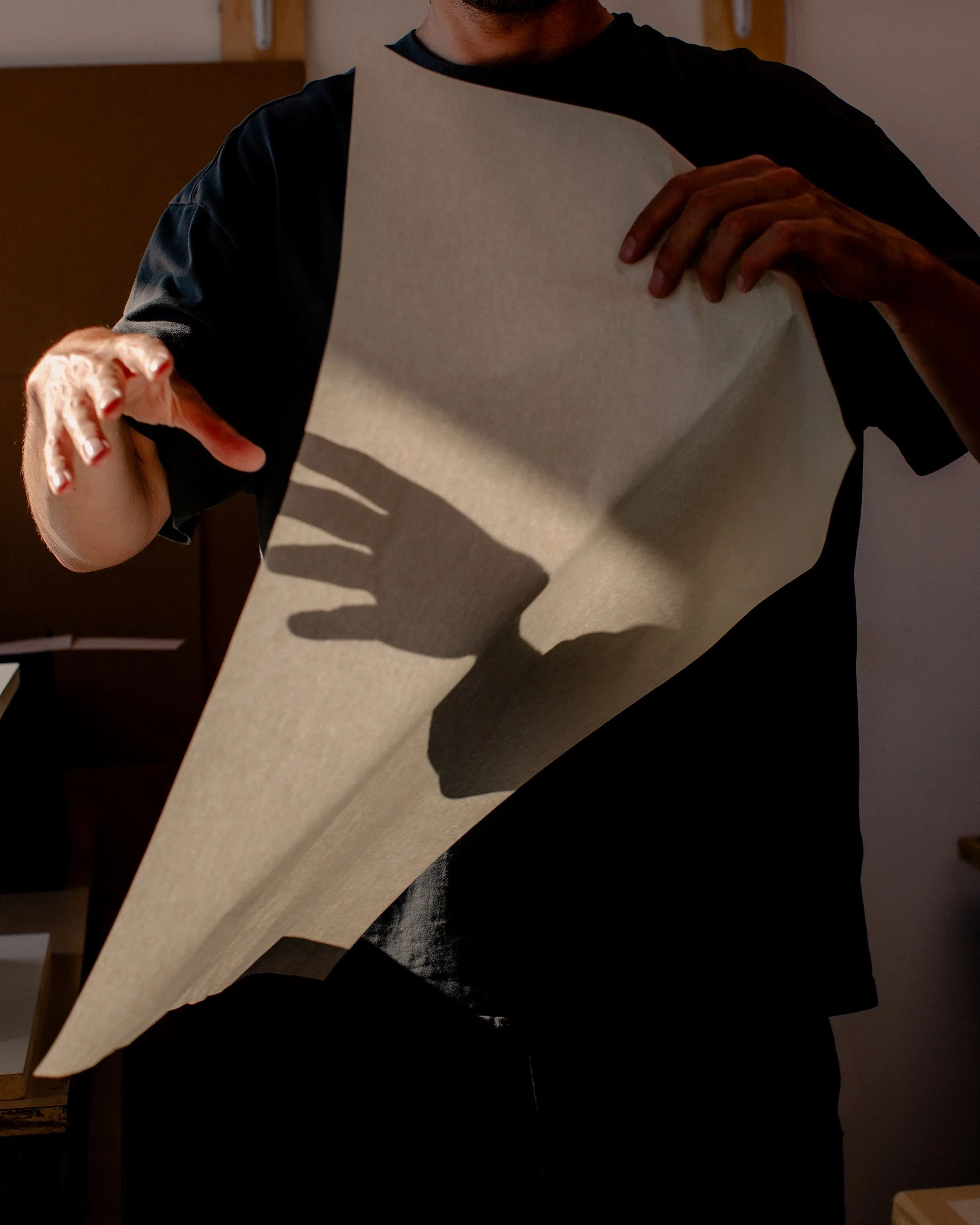
phot. Billy Barraclough
Journey
Speaking with Jarosz, you might assume he grew up in a family of craftspeople, surrounded by books and making from childhood. In fact, he came to bookbinding almost by accident. “I was born in Gdańsk and lived there, in Pomerania, my whole life. After high school I went on to study materials engineering at the University of Technology. You know, when your parents have backgrounds in the military and midwifery, you just sort of follow a set path, right?” A year and a half in, however, he realised that the course was not an inspiring direction for him. “In a way, though, it was a good thing. It was like a mirror; I could see myself thirty years down the line, and I realised, ‘I don't want to be that.’ So I asked myself, ‘What am I doing here?’”
At twenty-one, Jarosz took a break from education and spent years travelling, trying to work out what he wanted to do. Eventually, this led him to London. He enrolled in Book Arts & Design at London College of Communication and graduated in 2015. “It was a sort of evolution of a programme that had started back in the seventies. It was a bit of a hybrid course, a mix of printmaking, bookbinding and conceptual art, and I happened to be in the very last graduating class.”
After graduating, he went about finding work in a truly analogue, LinkedIn-free fashion. He turned up at the bespoke bookbinding studio Wyvern Bindery, with a small selection of his work on hand. The workshop initially turned him down. The next day, they called him back: they needed help with a project involving around 200 books. He stayed, eventually turning into a full time employee.
“The owner happened to be a graduate of that original seventies programme. When he found out I was from the same lineage, and specifically from the final class, he found it somewhat romantic, nostalgic, and I think that played role in why he hired me.”
He remembers being praised for how clean and detailed his work was, qualities that set him apart to this day. Asked what it takes to enter the professional craft world, he points to curiosity and commitment, as primary keys. “You simply have to put in the hours and develop a sort of fluency in doing the work.”
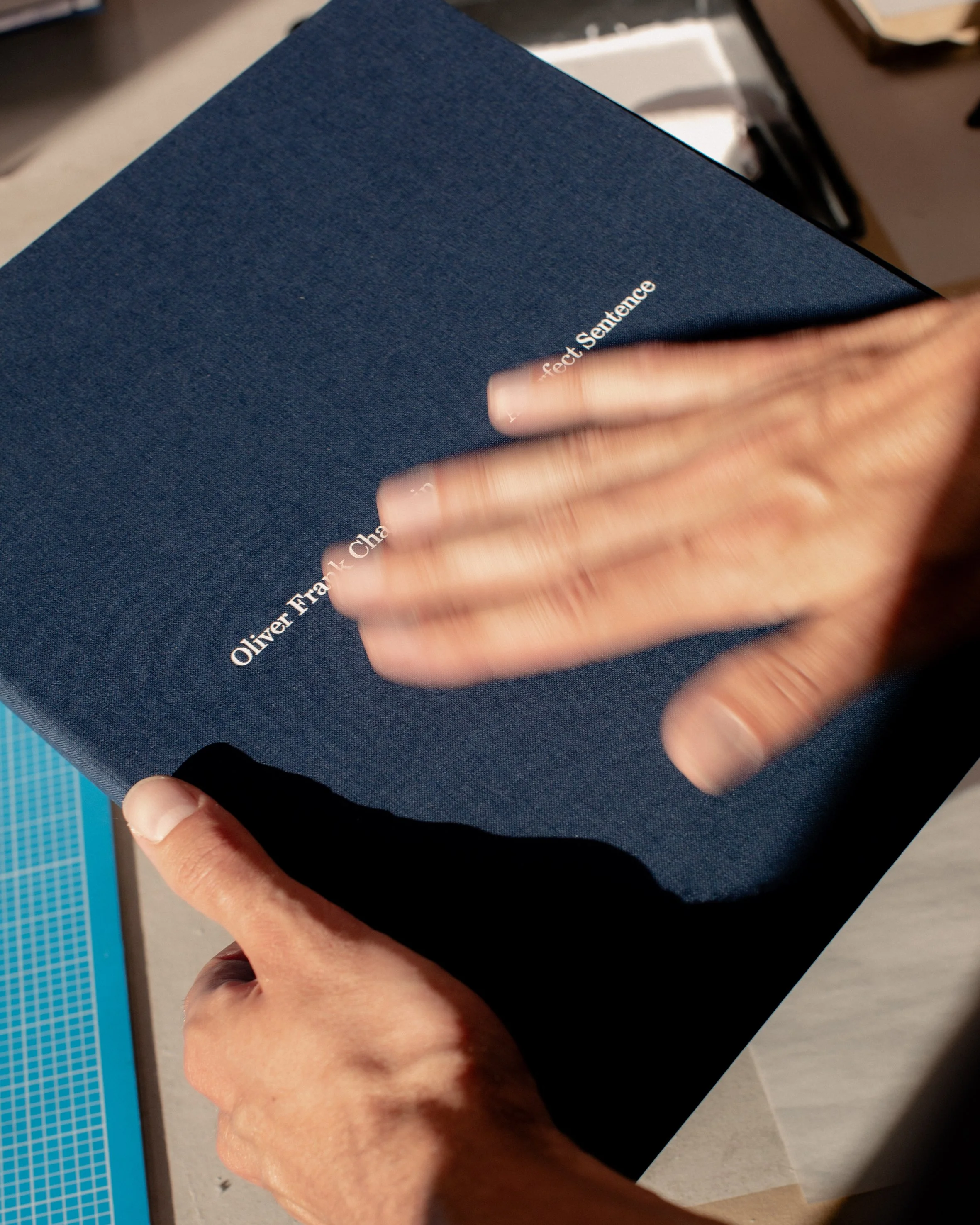
The growing popularity of craft and book arts today has certainly made learning the basics more accessible.“It feels like there’s greater access to bookbinding. Not far from me, there’s the London Centre for Book Arts. They hold classes every week, and they always seem to be full; people really go there to learn.” Yet, this renewed interest may simply produce more hobbyists. Sustaining a craft depends on people being able to devote themselves to it fully and professionally. Taking a class is one thing, developing the level of skill, commitment and taste required to make bespoke work on a high level is another. Jarosz points to the missing link that happens after the workshop. “There isn't really a clear entry point into the trade. I can’t really afford to train someone myself, yet the people I might potentially hire lack access to spaces where they could hone the craft. (…) So, I’m not entirely sure if this craft will survive or not, because there doesn't seem to be a clear progression from education to the workplace.”
phot. Billy Barraclough
Future of the book?
“I don’t know what the future holds for books. I’ve heard they’re destroying them just to scan them for AI or something,” Jarosz laughs when I ask where his craft is heading.“So, I’m not sure about the future of books, but I have this dream, a project in the back of my mind, where I’d like to try and revive the concept of the true ‘artist’s book’, but at a really high level.”
He remembers a visit to a book fair, coming across a small-run letterpress edition, each copy hand-illustrated by the artist, Picasso, as he recalls it. Priced at almost £400,000, the book struck him in the way a remarkable building might. “You know how one can look at certain buildings? That’s how I looked at that book. I realised we don’t really make things like that anymore. Things that will simply last for 300 years, created at such a high level, where top artists come together to produce something truly extraordinary.”
He already has an artist in mind for such collaboration. “I’d simply like to do the exact opposite of what we’ve become so used to… you know, buying a book on Amazon for three pounds that gets printed and bound the moment you hit ‘pay’. I want to create something that takes, let’s say, a month to make, yet isn’t ‘gatekept’.” The finest books, made slowly and with great care, tend to reach a small, hermetic audience. Jarosz is interested to find this sweet spot where the work is exceptionally well made, limited, and so desired, yet still speaks to people beyond the usual fine-book connoisseurs.
In 2023, he produced ten special editions of SAINER.COLOUR, the catalogue for Polish artist Sainer's exhibition at the National Museum in Gdańsk. Each combined the catalogue with a print and an original artwork. "We produced only ten copies. It wasn't even really for sale; it was just a beautiful object offered exclusively to his collectors. I really like that approach, creating things that people can appreciate, yet not everyone can have access to. I think that's the kind of the future of the book that excites me."
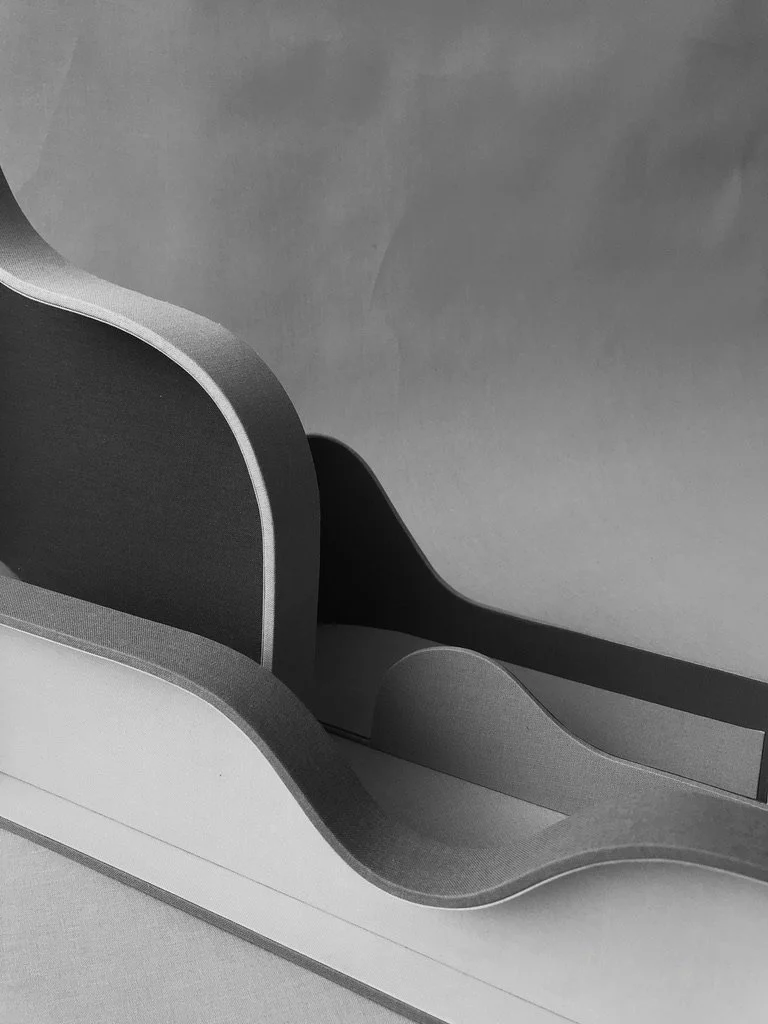
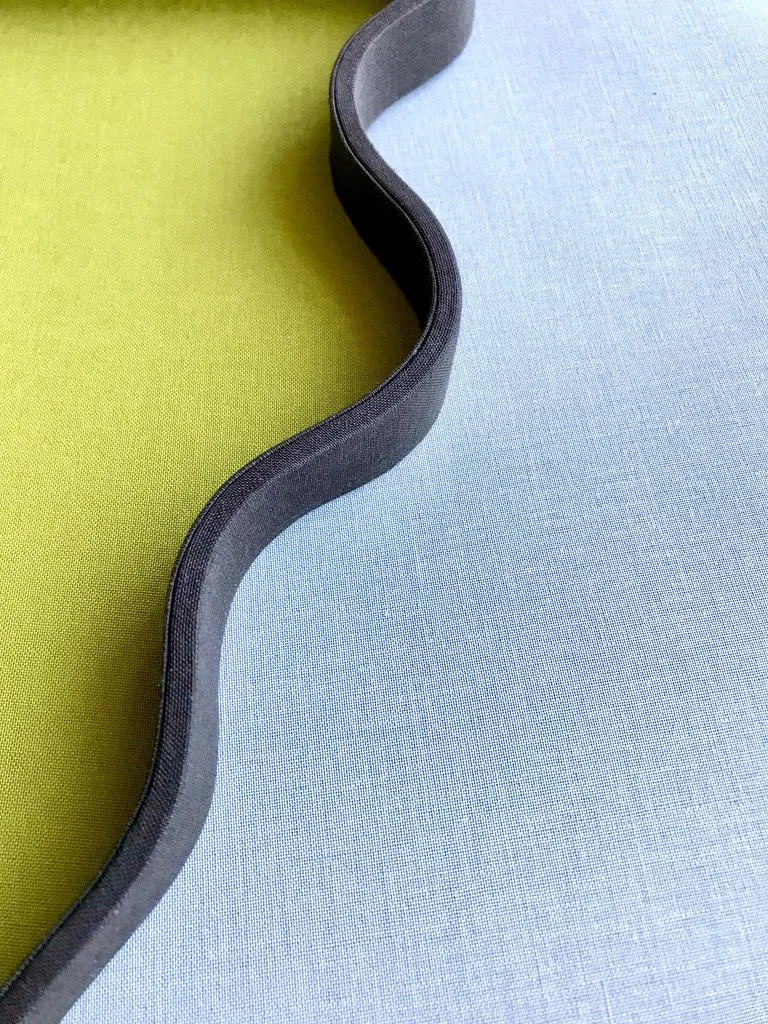
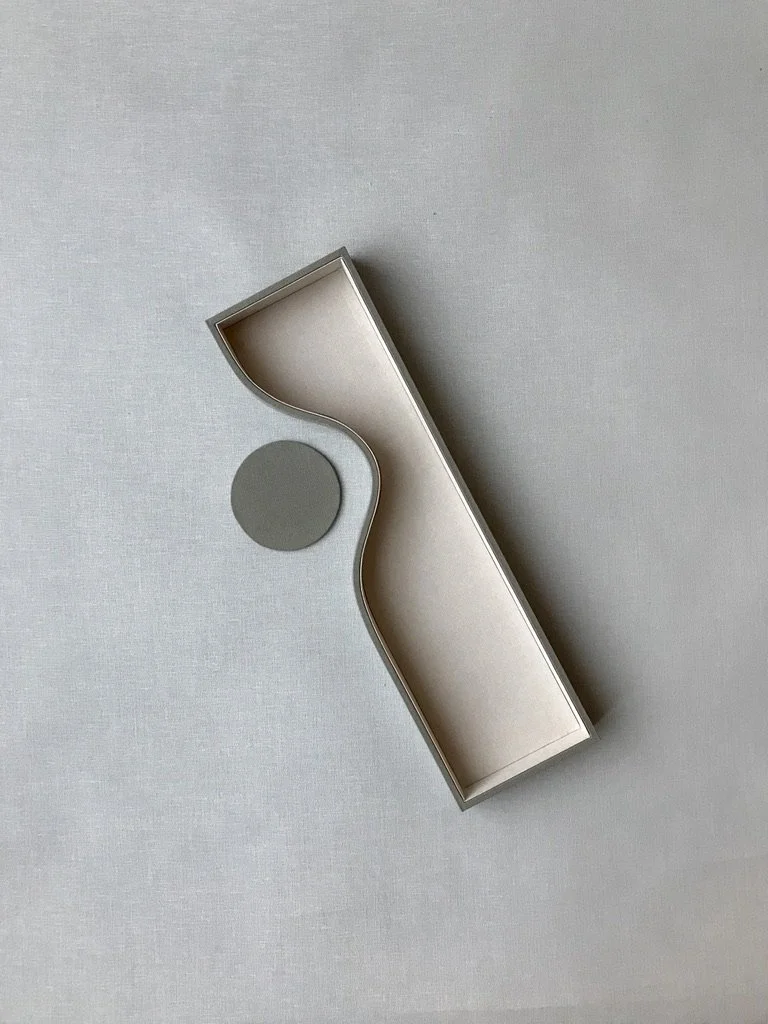
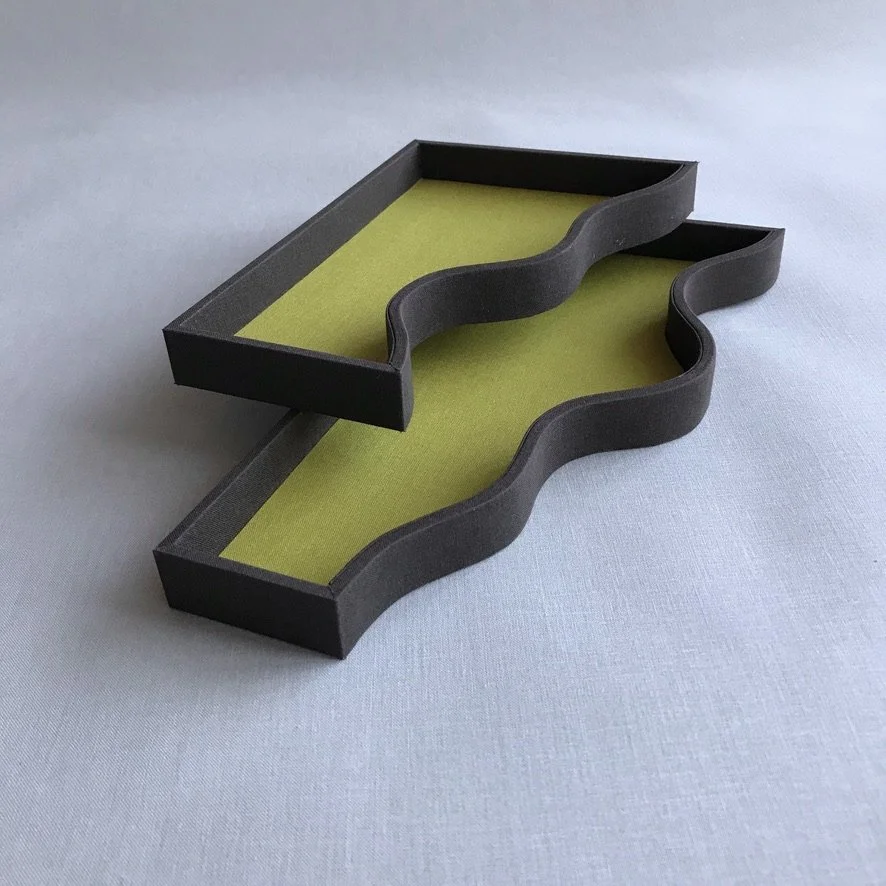
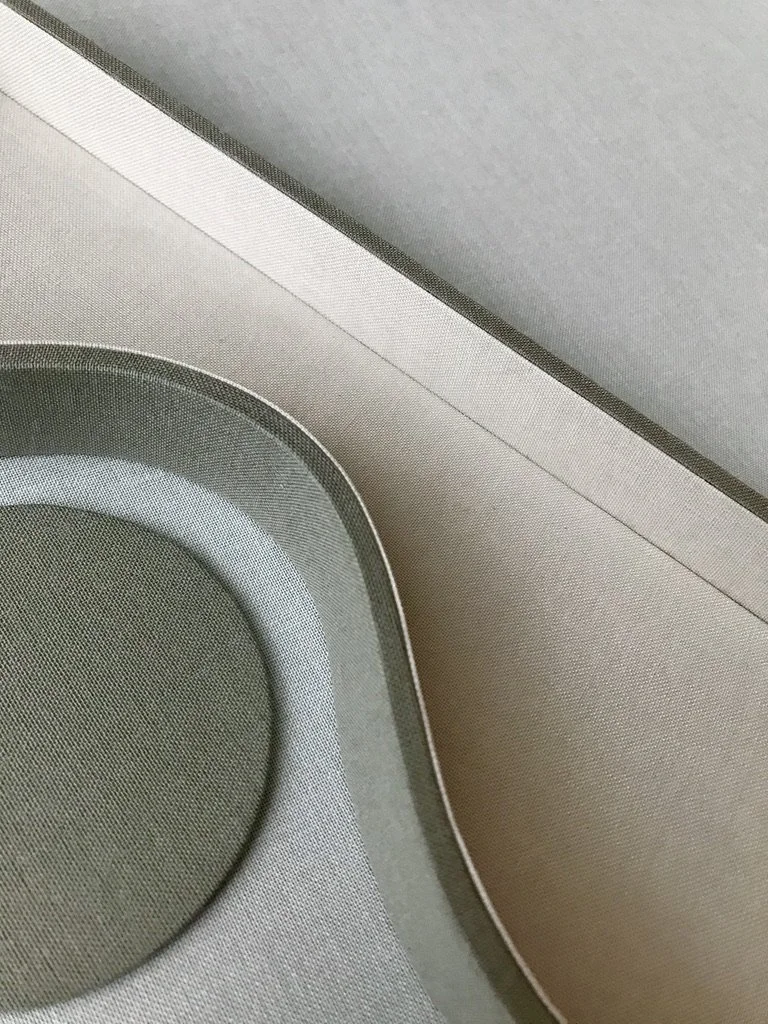
Alongside these collaborations, there is ‘Form, No Function’, an ongoing personal experiment in separating his work from its usual responsibility of function. Jarosz takes the materials and techniques of his craft and uses them to make objects driven by play. With no fixed narrative or brief, he follows intuition. He comes up with an unusual shape, deforms it, then works out how to respond to the new construction problem.
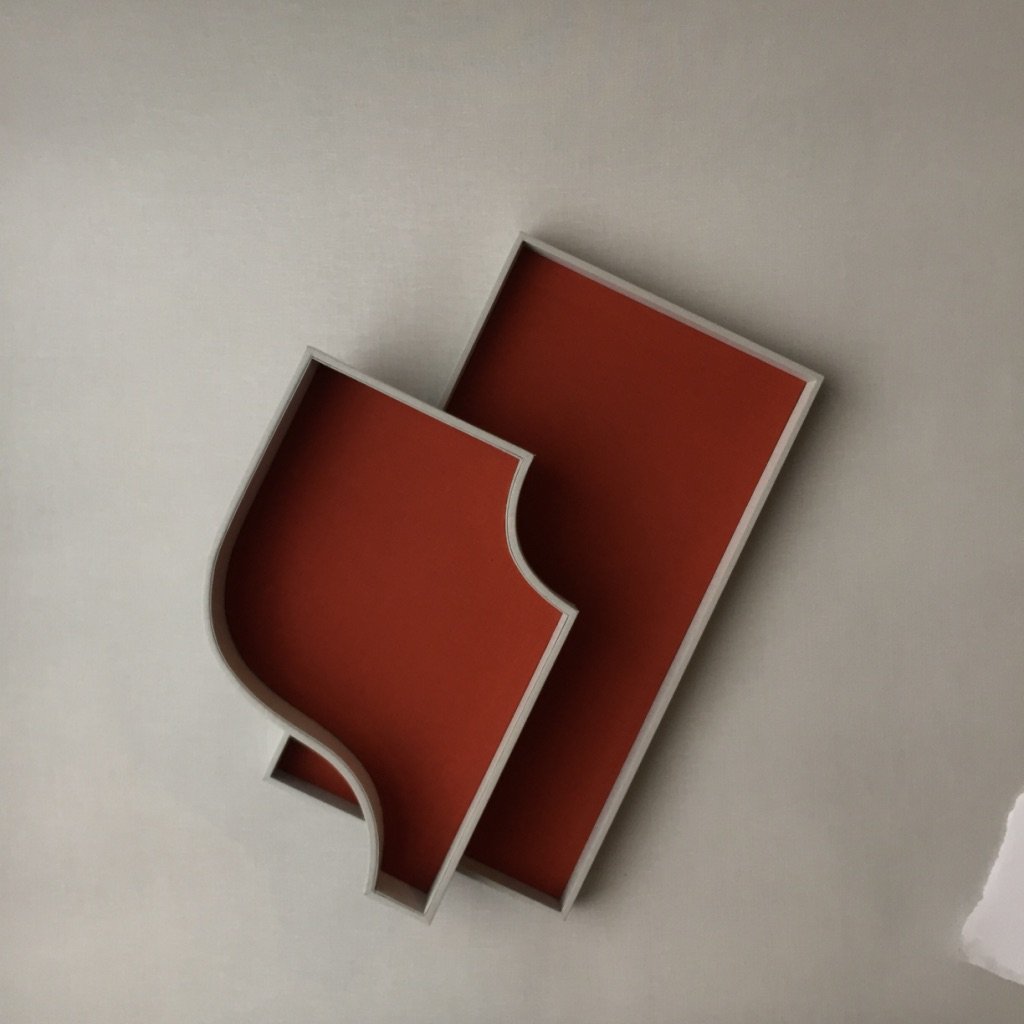
Form No Function series by Piotr Jarosz
Craft and self-refinement
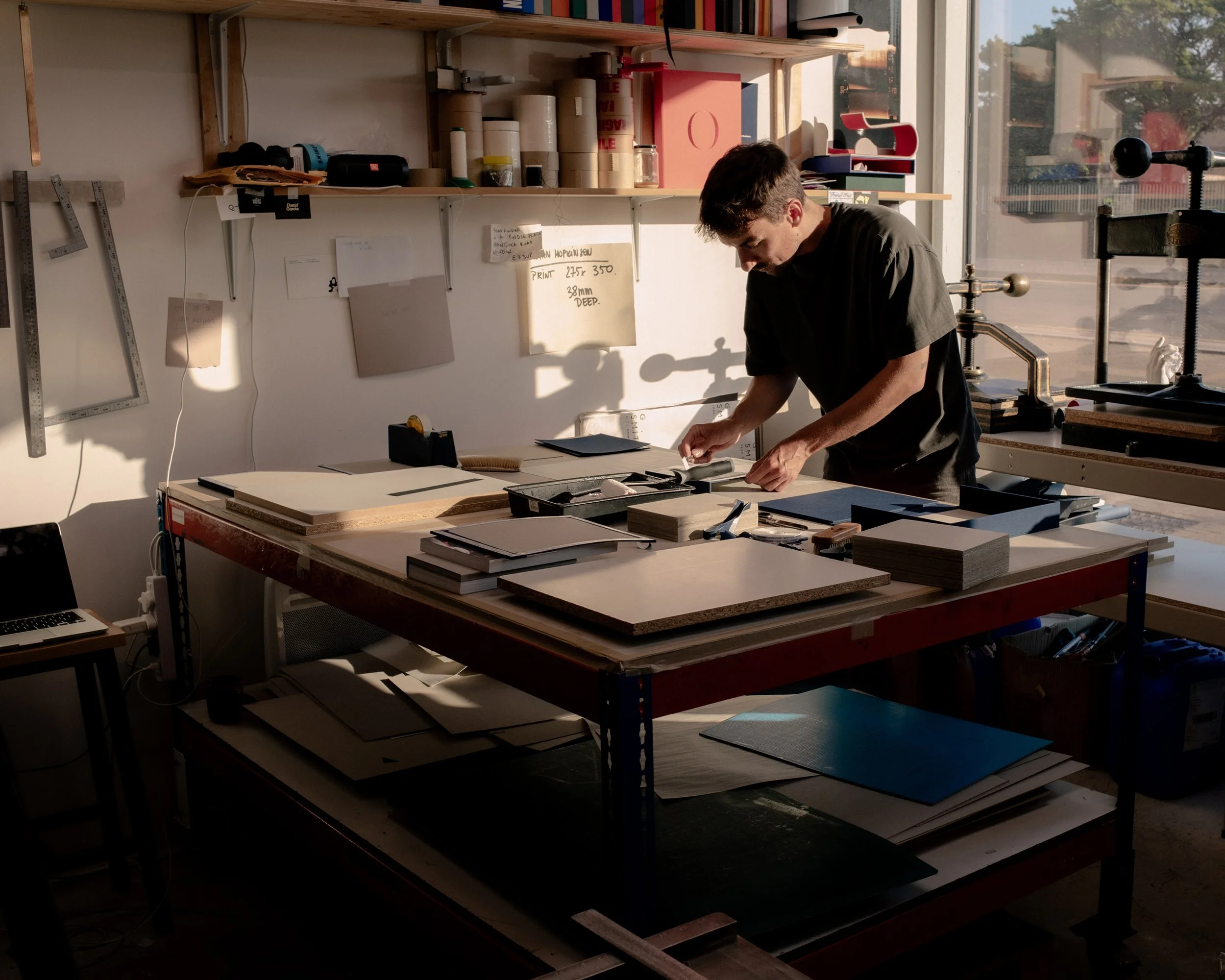
Jarosz’s daily practice is spent predominantly in solitude, with his hands and his thoughts, working through problems at his own pace. Listening to him talk about his career, failure and the decisions that have shaped his life, it is clear that he values this solitude, not only for the work itself but for the perspective it gives him on life.
“I think manual work stimulates a healthy train of thought,” he says. For Jarosz, craft is inseparable from a process of self-refinement. “There’s a certain level to the craft where, if you don’t improve yourself and your approach, you won’t be able to cross a certain threshold in the quality of your work.” He also sees failure as an unavoidable part of both craft and life. “A piece of ceramics might crack in the kiln, something in the workshop might simply not work. If you take the blame upon yourself every time that happens, you’ll eventually get stuck,”he notices. “So you need to improve yourself a bit, or cultivate a good relationship with yourself, in order to truly improve the work you’re doing.”
The conversation turns to Poland, and to what Jarosz feels he carried with him when he left. He describes it as a question of "hardware" and "software". The software is everything he has learned since leaving; the hardware is what he arrived with from Poland.
Two things stand out - gratitude and hard work. Gratitude comes from looking at his life and at the fact that he makes a living from such a specialised craft."Sometimes, while I'm working, this thought hits me: 'You're making boxes.' Like, for a living. It's just… so absurd. In London. It's crazy… How did you even end up here?” he ponders laughing. Hard work, he says, "feels like a national gift to me but also a curse, in a way… one you eventually have to unlearn a bit."
It leads naturally to a question of success. After a period of working constantly and feeling dissatisfied, Jarosz redefined it for himself. “I came to realise that being able to support myself, being able to afford a certain lifestyle by doing what I enjoy is what success is.”
In a culture where social media prompts us to compare our lives to other people’s every day, it’s easy to lose sight of our own path. Jarosz gives a graphic example: “A lot of people adopt someone else’s definition of success instead of having their own. Someone working in an office might compare themselves with Kim Kardashian’s lifestyle. That will never satisfy you.”
For him, the answer is to bring the measure closer to yourself, to define a form of success that is realistic and attainable, while still requiring effort, of course.
phot. Billy Barraclough
While fashion’s literary moment will eventually fade, and another infatuation will take the book’s place, in the greater scheme of things, craft’s relevance will endure. So will the tactile appeal of paper. The value of people like Piotr Jarosz, who keep that knowledge alive, will only become more apparent. In their skilled hands, it is practised, developed and passed on, rather than simply appropriated as an aesthetic.
There is plenty more to discover in Jarosz’s practice. Check out his website and Instagram for a closer look at the varied commissions that pass through his studio.